
News

News

What Makes Schneider ILM1003P01A0000 a Practical Solution for Demanding Servo Applications?

2026-09-04 0 Leave me a message

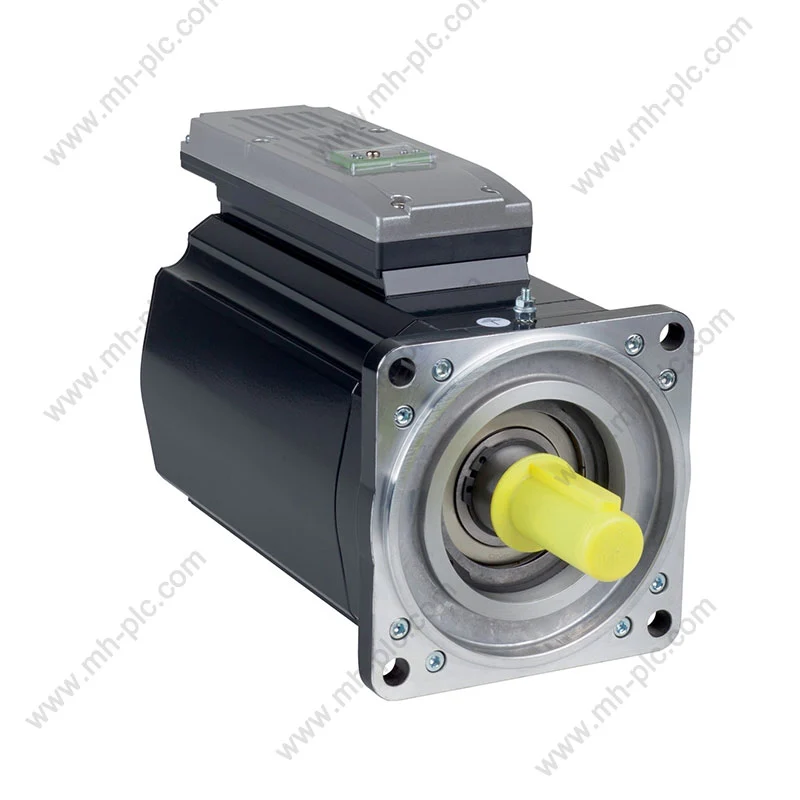
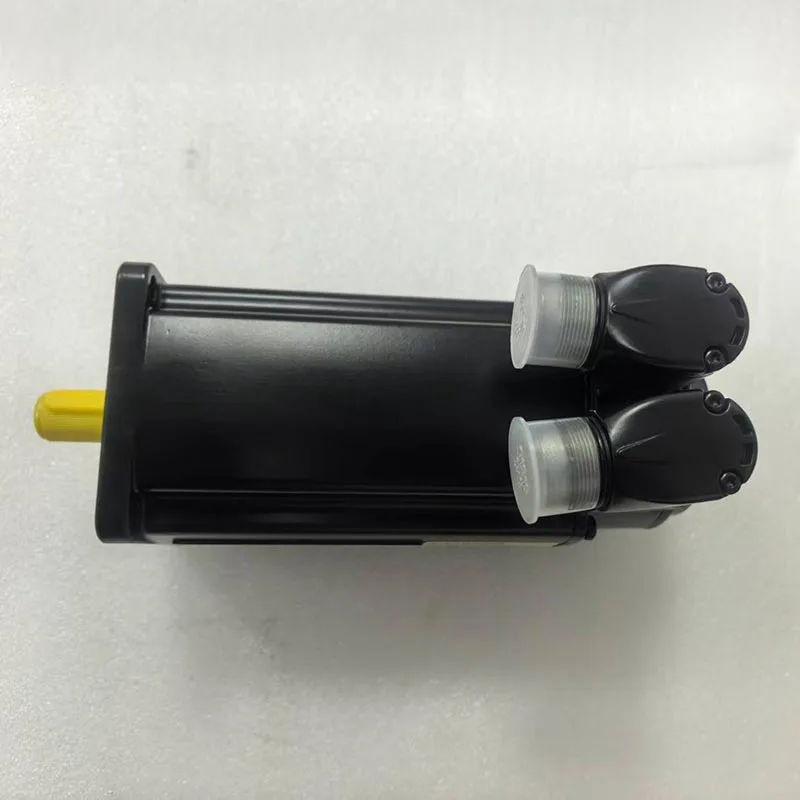
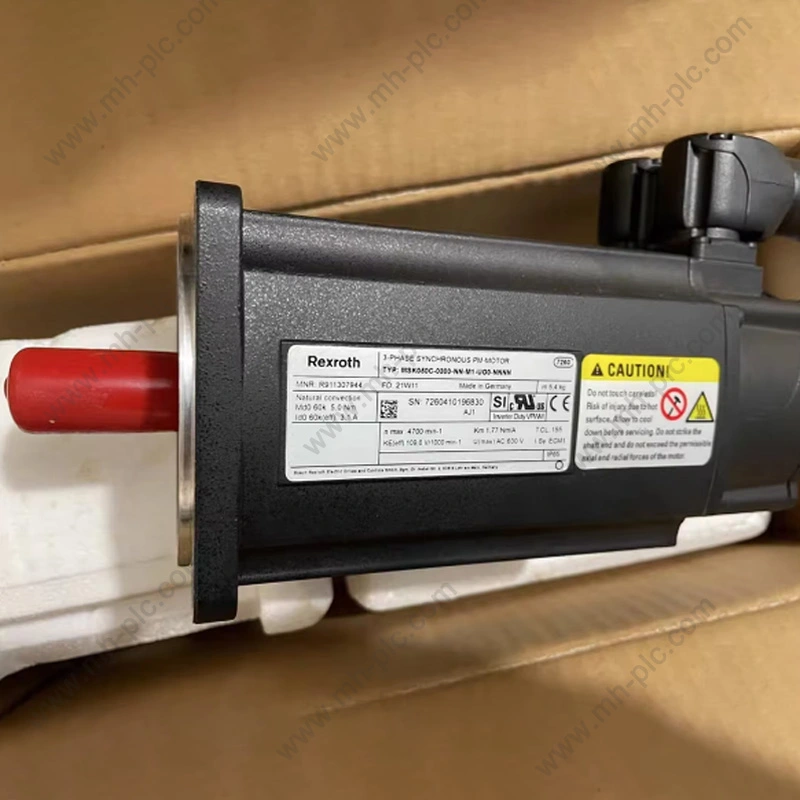
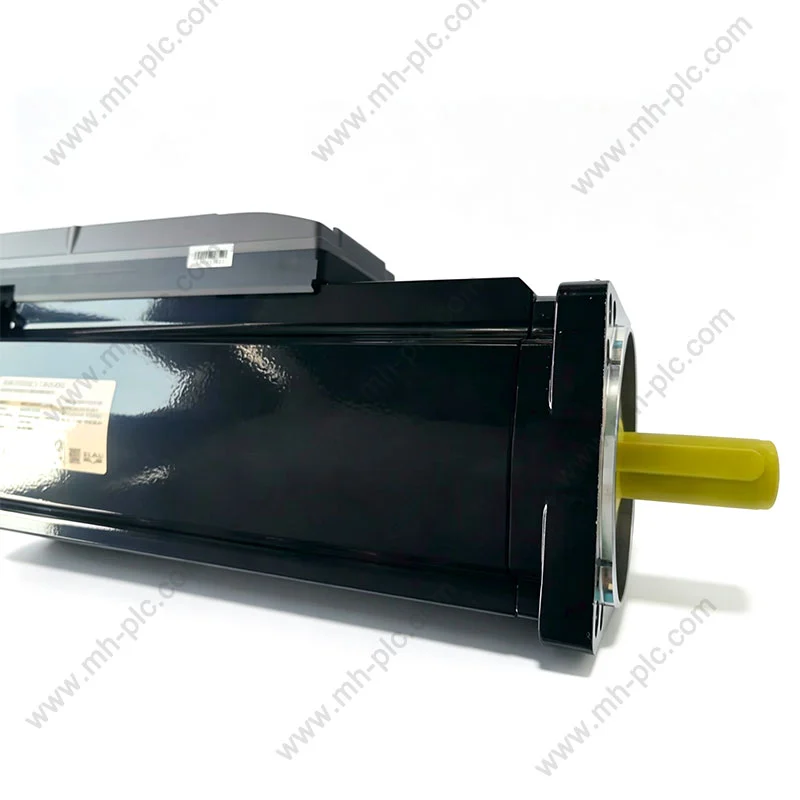
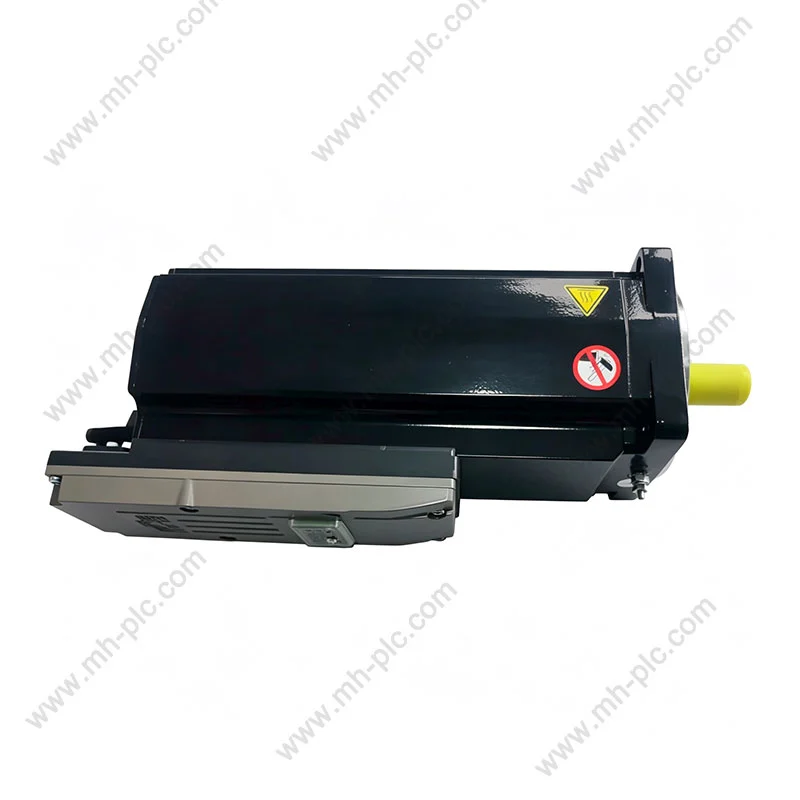
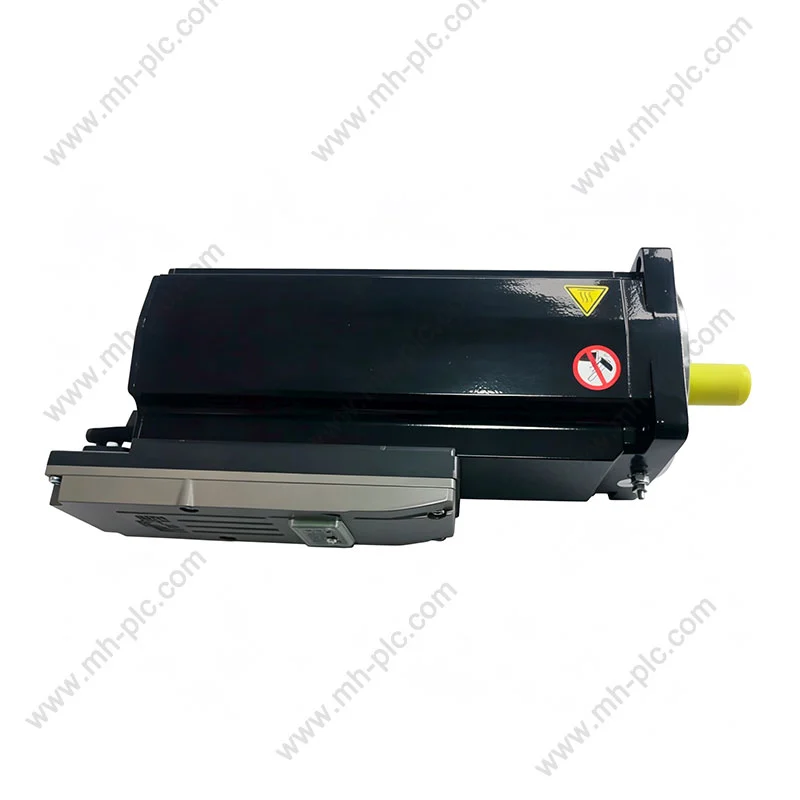
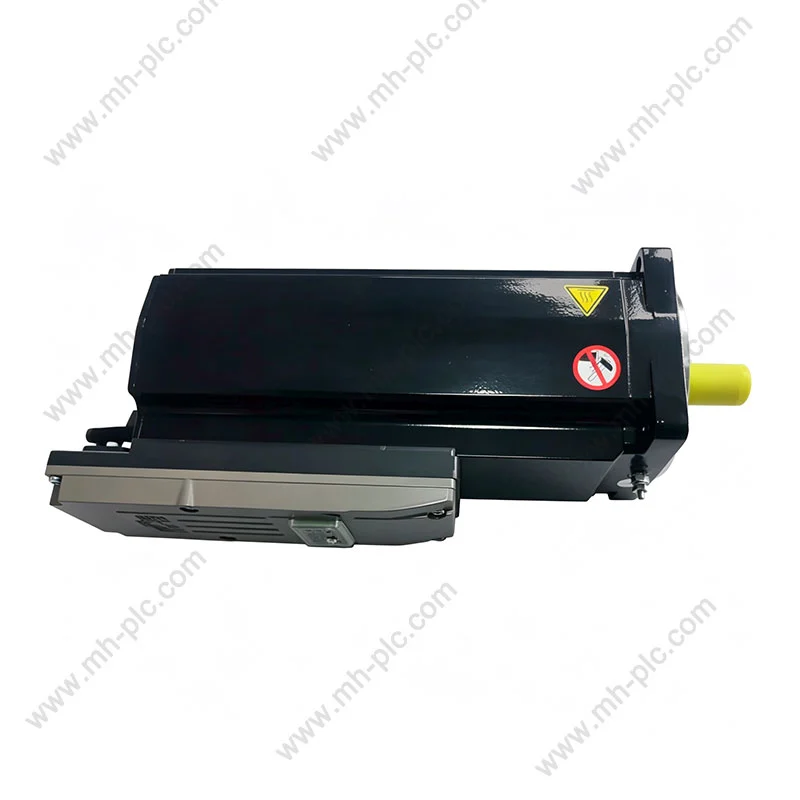
The Schneider ILM1003P01A0000 is an integrated servo motor and drive designed for machine builders seeking a more distributed motion-control architecture. With a 100 mm flange, 3.5 Nm rated torque, 5.8 Nm stall torque, 3000 rpm rated speed, integrated electronics, and an absolute SinCos single-turn feedback system, this model can simplify machine layouts where conventional cabinet-mounted servo drives create wiring and space challenges.

Schneider ILM1003P01A0000


Article Summary

Modern automated equipment often requires precise positioning, compact machine construction, reliable feedback, and simplified commissioning. The Schneider ILM1003P01A0000 addresses these requirements by combining the motor and servo-drive functions into an integrated field-mounted unit. This architecture can reduce the amount of equipment traditionally installed inside a control cabinet while supporting modular machine concepts.

This article explains the key characteristics of ILM1003P01A0000, how its integrated architecture works, where it can be useful, what specifications engineers should verify, and which purchasing considerations matter when sourcing an existing or replacement unit. It also explains why accurate model identification is essential before installation.

Table of Contents

  1. What Is Schneider ILM1003P01A0000?
  2. How Does Its Integrated Servo Architecture Work?
  3. What Are the Key Specifications?
  4. How Does the Motor Perform in Motion Applications?
  5. Where Can ILM1003P01A0000 Be Used?
  6. Why Is an Integrated Servo Design Valuable?
  7. What Should Engineers Check Before Installation?
  8. What Matters When Sourcing or Replacing This Model?
  9. How Can Users Improve Long-Term Reliability?
  10. Frequently Asked Questions
  11. Final Thoughts

What Is Schneider ILM1003P01A0000?

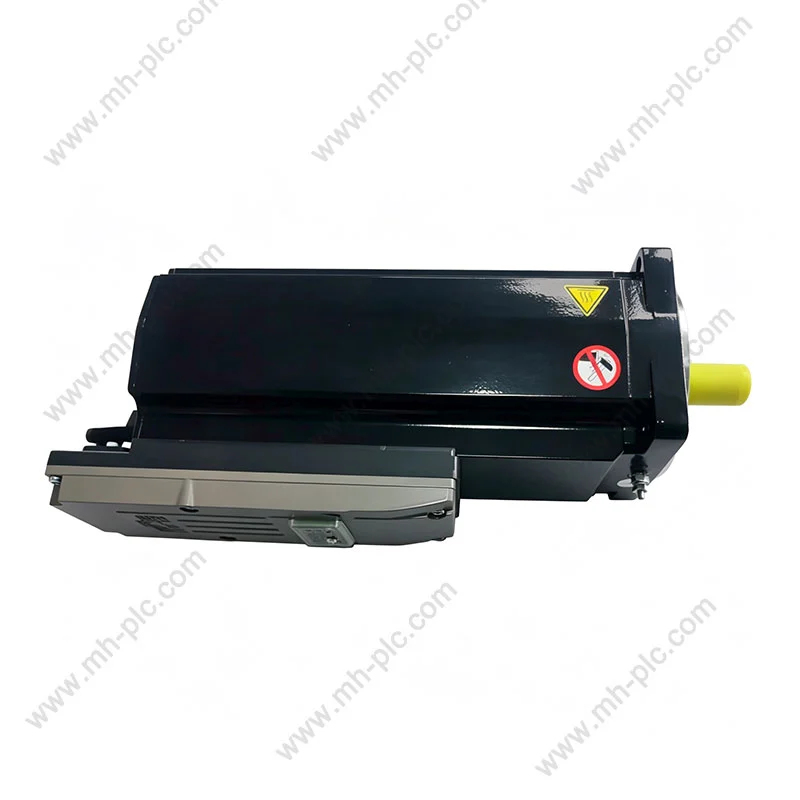
Schneider ILM1003P01A0000 is an integrated servo motor from the Lexium 62 ILM family. Unlike a conventional servo arrangement in which the motor and drive electronics are installed as separate components, an integrated ILM unit combines the motion-control electronics with the motor assembly.

Schneider Electric identifies the model as an integrated servo motor with a 100 mm flange, 5.8 Nm stall torque, 3000 rpm speed, smooth shaft, SinCos single-turn 128 feedback, and no brake. The model is associated with distributed servo architectures intended to move drive electronics closer to the motor and machine module.

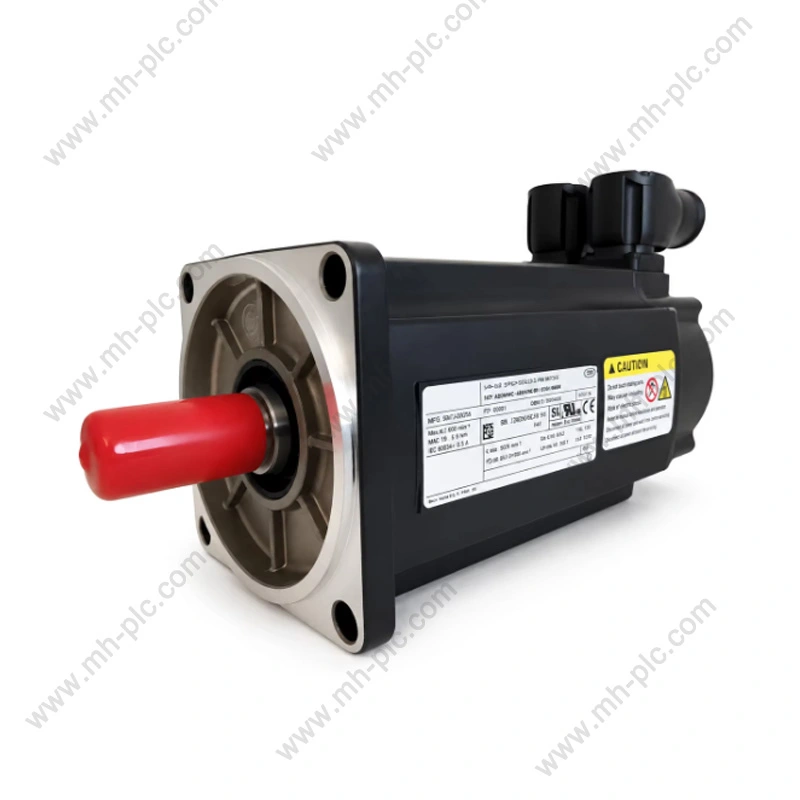
This distinction is important for engineers replacing an existing component. ILM1003P01A0000 is not simply a generic 1.1 kW AC motor. Its feedback configuration, integrated-drive architecture, mechanical dimensions, communication requirements, and electrical characteristics all need to match the machine.

Important sourcing note: Schneider Electric regional product pages indicate that this reference has reached the end of commercialization or service in certain markets. Therefore, buyers should verify current availability, service status, genuine product condition, and possible replacement recommendations with an authorized source before placing an order.

How Does Its Integrated Servo Architecture Work?

The main concept behind an integrated servo is decentralization. Traditional motion systems frequently place servo amplifiers inside a control cabinet and connect them to motors through power and feedback cables. An integrated servo transfers important drive electronics to the motor-side assembly.

This approach can be particularly useful for machines constructed from independent modules. Each motion module can contain its own servo motor and associated electronics, while the machine architecture handles communication and power distribution through suitable connections.

  • Motor and drive integration: reduces the need to treat the motor and amplifier as completely separate units.
  • Distributed installation: allows motion-control components to be positioned closer to the mechanical axis.
  • Modular machine construction: supports equipment made from repeatable motion modules.
  • Reduced cabinet dependency: can help engineers optimize control-cabinet space.
  • Feedback integration: the encoder configuration is part of the specified motor assembly rather than an independent external component.

The result is a different machine-design philosophy: instead of concentrating every motion component inside a central cabinet, selected control functions are distributed throughout the machine.


What Are the Key Specifications?

Understanding the model number alone is not sufficient for safe replacement. The following specifications provide a useful technical starting point for engineers evaluating ILM1003P01A0000.

Parameter ILM1003P01A0000 Why It Matters
Product family Lexium 62 ILM Determines system architecture and compatibility
Type Integrated servo motor/drive Combines motor and drive functions
Flange 100 mm Important for mechanical installation
Rated speed 3000 rpm Affects cycle time and machine dynamics
Rated torque Approximately 3.5 Nm Used for continuous load evaluation
Stall torque 5.8 Nm Relevant to low-speed/high-load conditions
Feedback SinCos single-turn, 128 Critical for motion feedback and commissioning
Shaft Smooth shaft Must match mechanical coupling
Brake No brake Important for vertical-axis and holding-load applications

Independent distributor data also identifies the unit as an AC servomotor with an absolute encoder, approximately 1.1 kW active power, IP54 protection, and a 100 × 100 mm mounting configuration. These details should always be cross-checked against the applicable technical documentation for the exact machine and regional version.


How Does the Motor Perform in Motion Applications?

A servo motor is selected not only according to horsepower or rated torque. Its ability to accelerate, decelerate, maintain position, respond to commands, and operate repeatedly under changing loads is equally important.

With a rated speed of 3000 rpm and approximately 3.5 Nm rated torque, ILM1003P01A0000 fits motion applications requiring controlled rotational movement rather than simple constant-speed operation. Its integrated feedback system allows the control architecture to monitor rotor position and support closed-loop motion control.

The approximately 5.8 Nm stall torque specification is particularly relevant when evaluating acceleration and temporary load conditions. However, engineers should not treat stall torque as a continuous operating rating. Actual load calculations should consider acceleration, duty cycle, inertia, gearbox ratio, friction, machine orientation, ambient conditions, and the complete drive system.

Engineering reminder:

A motor can have adequate nominal torque and still perform poorly if the reflected load inertia, acceleration profile, mechanical transmission, or feedback configuration is incorrectly matched. Always evaluate the complete motion axis rather than choosing a servo solely by rated power.


Where Can ILM1003P01A0000 Be Used?

The integrated architecture makes this type of servo particularly attractive for automated machinery where multiple axes, compact layouts, and modular construction are important.

Packaging Machinery

Suitable for coordinated motion such as indexing, feeding, positioning, and material handling when the axis requirements match the motor's capabilities.

Material Handling

Can support controlled rotary motion in conveyors, transfer modules, and automated handling mechanisms.

Modular Machines

The distributed architecture can be advantageous where individual mechanical modules require dedicated servo motion.

Automation Equipment

Useful for machine axes that require closed-loop positioning and coordinated control.

Application suitability should always be established from the actual axis requirements. A model that is mechanically compatible may still be unsuitable if the electrical interface, communication architecture, load profile, or feedback requirements differ.


Why Is an Integrated Servo Design Valuable?

The greatest advantage of an integrated servo is not simply that two components are combined. The larger benefit is the possibility of changing how a machine is physically designed.

  1. More flexible machine architecture: Distributed servo components can help machine builders organize motion systems around individual machine modules.
  2. Potential cabinet-space savings: Moving drive electronics away from the central cabinet can free space for PLCs, safety equipment, power distribution, and other components.
  3. Reduced traditional motor-drive separation: The motor and drive are supplied as an integrated unit, simplifying certain equipment configurations.
  4. Suitable for multi-axis systems: Distributed motion architecture can be especially attractive when a machine contains numerous servo axes.
  5. Modular engineering: Machine builders can design repeatable motion modules around defined servo assemblies.

These advantages are most valuable when the machine has been designed around distributed motion from the beginning. Retrofitting an integrated servo into a conventional system without checking communications, power distribution, cooling, cabling, and software requirements can create unnecessary commissioning problems.


What Should Engineers Check Before Installation?

Correct part-number identification is the first step, but it is not the final step. Before installing ILM1003P01A0000, engineers and maintenance teams should verify the following points.

  • Exact part number: Confirm every character of ILM1003P01A0000.
  • Mechanical dimensions: Verify flange, shaft, mounting holes, coupling, and installation clearance.
  • Brake requirement: This model is specified without a brake, so vertical or gravity-loaded axes require special attention.
  • Feedback configuration: Confirm the SinCos single-turn encoder arrangement and machine-control compatibility.
  • Communication system: Check the required network and controller architecture.
  • Electrical requirements: Verify voltage, current, cable arrangement, and system-level power requirements.
  • Environmental conditions: Check enclosure protection, temperature, humidity, dust, vibration, and installation environment.
  • Load calculation: Confirm continuous torque, peak torque, acceleration, inertia, and duty cycle.
  • Software compatibility: Confirm that the existing motion-control software and configuration can support the intended device.
Do not rely on visual similarity.

Two servo motors can have similar dimensions and power ratings while using different feedback systems, connectors, communication protocols, or control architectures. A visual match is not sufficient evidence of electrical or software compatibility.


What Matters When Sourcing or Replacing This Model?

For maintenance teams, one of the biggest challenges with established industrial automation products is obtaining the exact component when a machine has been operating for many years.

Schneider Electric's regional pages currently provide different lifecycle information for this reference. One official regional page states that ILM1003P01A0000 was discontinued in February 2023 and had no direct replacement listed, while another regional page reports the end of standard service in September 2025. This means buyers should not assume that an online listing automatically represents current factory availability.

When purchasing a unit for maintenance or machine restoration, consider:

Check Reason
Part number Prevents ordering a similar but incompatible model.
Product condition New, unused, refurbished, and used units carry different risks.
Packaging and labels Useful for verifying identity and traceability.
Documentation Helps confirm specifications and installation requirements.
Lifecycle status Important when planning long-term machine maintenance.
Compatibility The replacement must match the complete motion system.

A reliable industrial-component supplier should be able to provide clear product identification, condition information, technical documentation where available, and transparent communication about stock status.


How Can Users Improve Long-Term Reliability?

Servo reliability depends on much more than the motor itself. Mechanical alignment, cable routing, environmental conditions, controller configuration, and thermal management all influence service life.

  • Keep mounting surfaces clean and properly aligned.
  • Avoid excessive radial or axial loads on the shaft.
  • Inspect connectors and cables during scheduled maintenance.
  • Prevent unnecessary vibration and mechanical shock.
  • Confirm that operating temperatures remain within applicable specifications.
  • Monitor unusual noise, vibration, temperature, or position errors.
  • Maintain accurate records of servo parameters and machine configuration.
  • Keep replacement components properly identified and traceable.

When a servo is replaced, commissioning should include more than simply powering the machine. Feedback recognition, motor parameters, direction, limits, acceleration, deceleration, mechanical load, and safety functions should all be checked according to the machine manufacturer's procedures.
Frequently Asked Questions

Is Schneider ILM1003P01A0000 a servo motor or a servo drive?

It is an integrated servo motor/drive. The product combines the motor with integrated drive electronics rather than functioning as a conventional motor that requires a completely separate cabinet-mounted servo amplifier.

What is the rated speed of ILM1003P01A0000?

The specified rated speed is 3000 rpm. The exact operating point should be evaluated together with torque, load, acceleration, and duty-cycle requirements.

Does ILM1003P01A0000 have a holding brake?

No. The specified version is without a brake. This is especially important for vertical axes or applications where the motor must mechanically hold a load after power is removed.

What type of feedback does the model use?

The product is specified with a SinCos single-turn 128 feedback configuration. Because feedback compatibility is fundamental to servo operation, the exact controller and system configuration should be checked before replacement.

What is the flange size?

The model uses a 100 mm flange. Mechanical mounting dimensions should nevertheless be checked against the machine drawings before installation.

Is ILM1003P01A0000 still commercially available?

Availability depends on region and supply channel. Schneider Electric's official regional pages show lifecycle changes for this reference, including discontinued or end-of-service information. Buyers should verify current availability and service status rather than relying only on third-party stock listings.

Can another servo motor directly replace ILM1003P01A0000?

Not necessarily. A replacement must be evaluated for mechanical dimensions, torque, speed, electrical characteristics, feedback, communication, software configuration, and machine architecture. A motor with the same nominal power does not automatically constitute a suitable replacement.

Why is the exact part number important when purchasing?

Schneider servo products can have closely related model numbers with different shaft designs, feedback systems, brake configurations, ratings, or other specifications. Confirming the complete ILM1003P01A0000 reference helps reduce the risk of receiving an incompatible component.


Final Thoughts

The Schneider ILM1003P01A0000 represents a distributed motion-control approach in which the servo motor and drive functions are integrated into a compact machine-side unit. Its 100 mm flange, approximately 3.5 Nm rated torque, 5.8 Nm stall torque, 3000 rpm speed, smooth shaft, SinCos single-turn feedback, and brake-free configuration make accurate specification matching essential when evaluating the component for an existing machine.

For machine builders, the integrated architecture can offer meaningful advantages in modular equipment design and control-cabinet organization. For maintenance teams, however, the most important issue may be sourcing the correct original component and verifying its lifecycle status. Official regional information indicates that the model has undergone lifecycle changes, so purchasing decisions should include product condition, documentation, compatibility, and future maintenance planning.

Dongguan Nancheng Mao Hui Machinery Equipment Trading Co., Ltd. can support customers looking for industrial automation components by helping verify model numbers, technical requirements, product condition, and sourcing details. If you are maintaining equipment that uses Schneider ILM1003P01A0000, providing the complete part number and machine requirements can make the sourcing process more accurate and efficient.

Need Schneider ILM1003P01A0000 for Your Industrial Equipment?

Whether you are looking for a replacement unit, checking compatibility, or planning maintenance for an existing automation system, accurate product identification is the first step. Contact Dongguan Nancheng Mao Hui Machinery Equipment Trading Co., Ltd. to discuss your requirements, verify the exact model, and explore available sourcing solutions.

Contact us today for product verification and sourcing support.

Related News
Leave me a message
X
We use cookies to offer you a better browsing experience, analyze site traffic and personalize content. By using this site, you agree to our use of cookies. Privacy Policy
RejectAccept