
News

News

What Is Schneider ILM0702P01A0000 and How Does It Support Compact Servo Motion?

2026-09-16 0 Leave me a message

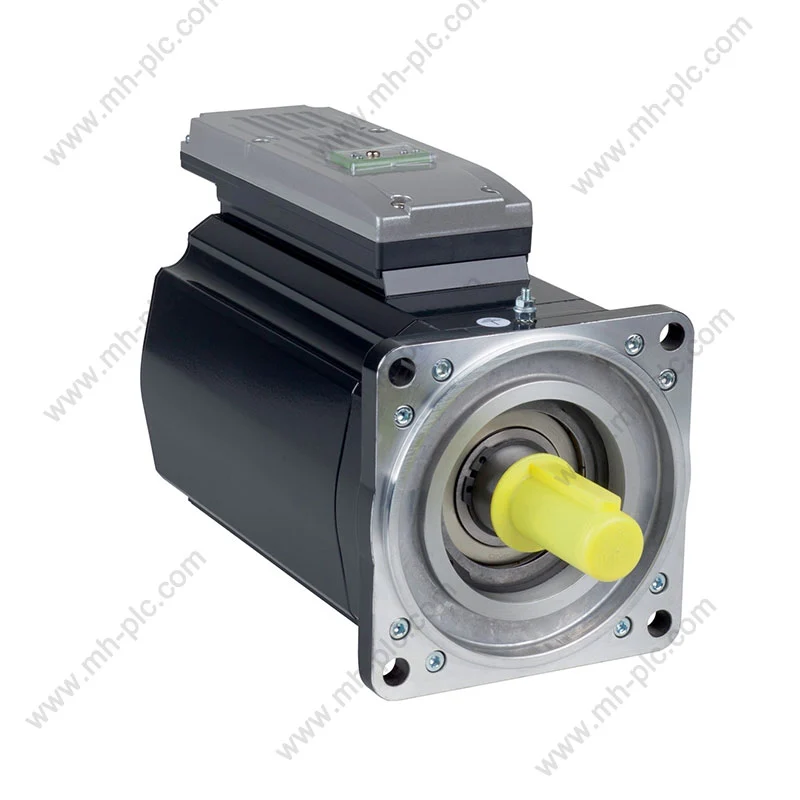
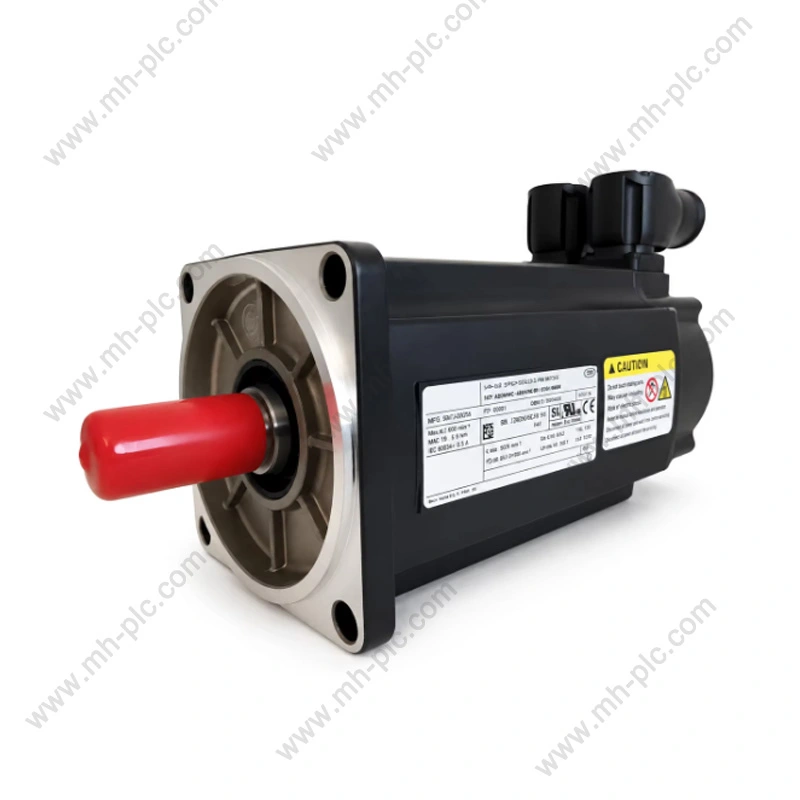
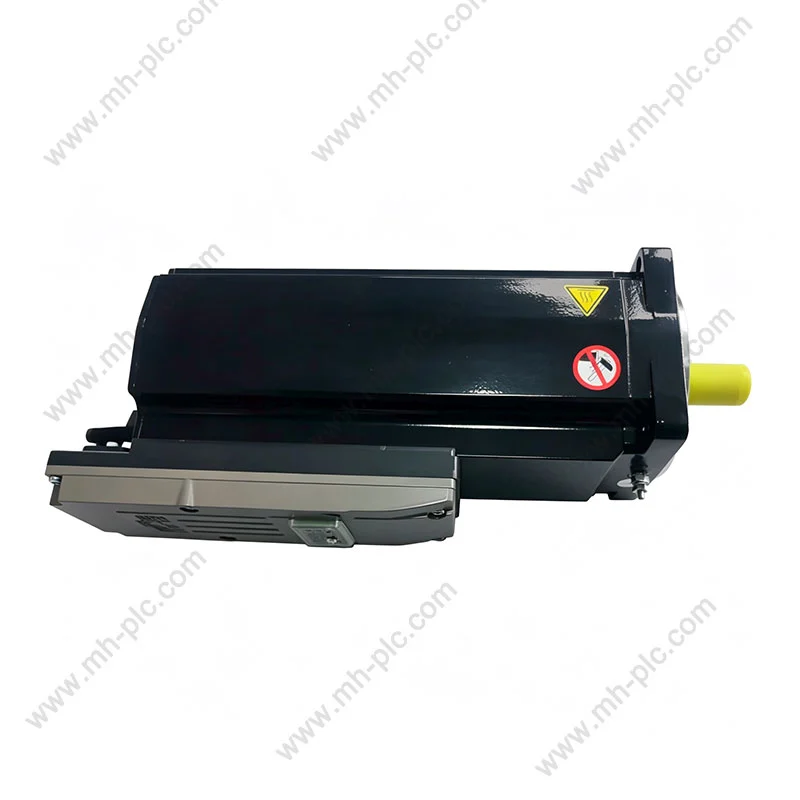
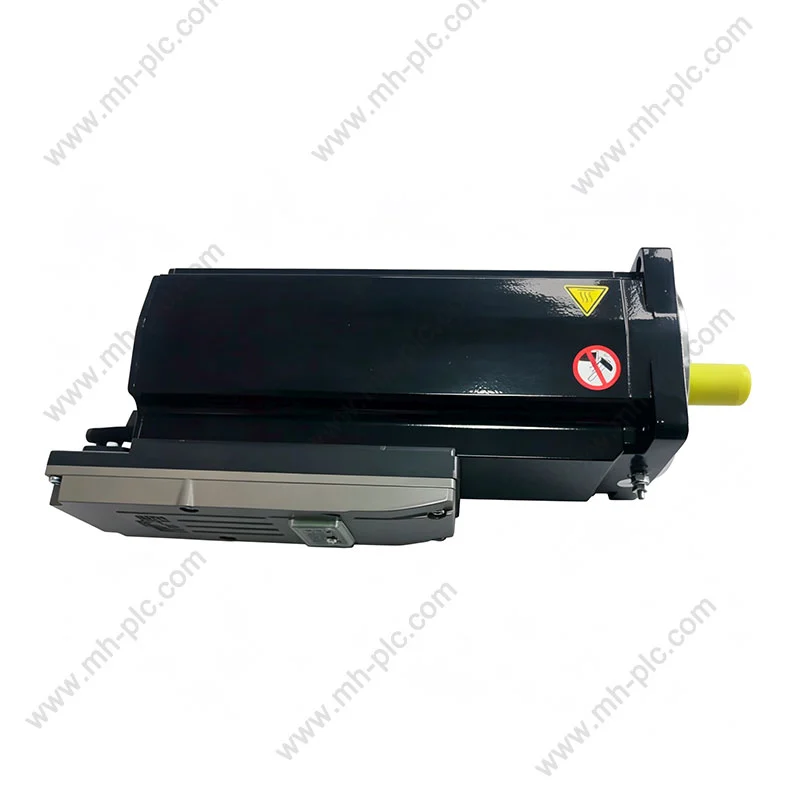
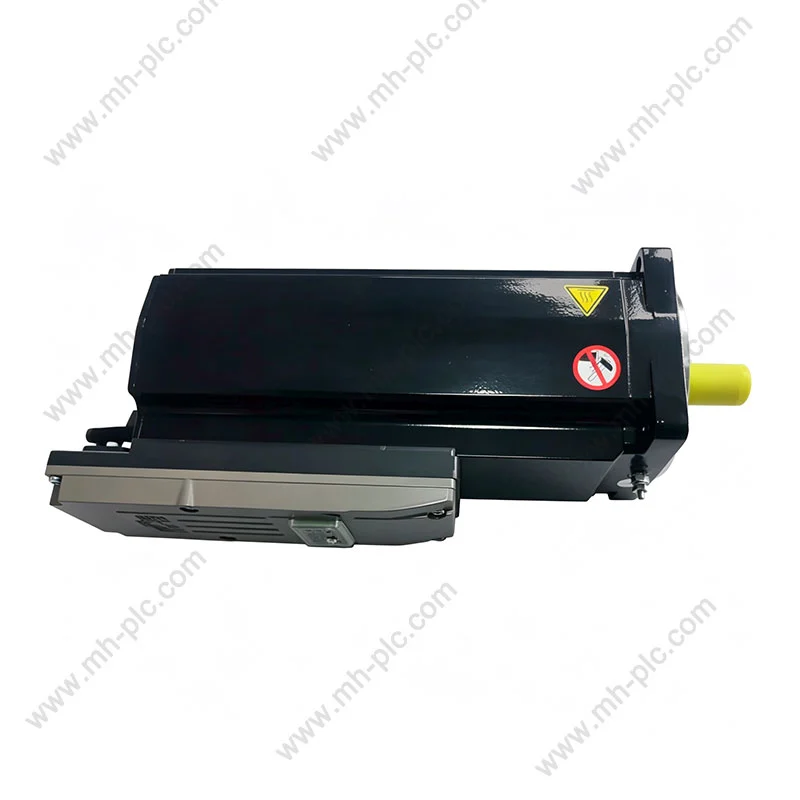
The Schneider ILM0702P01A0000 is an integrated servo motor in the Lexium 62 ILM family for PacDrive 3 motion-control systems. Schneider Electric identifies the unit as a 1.7 Nm, 6000 rpm integrated servo motor without a holding brake. Its rated supply voltage is 250–700 V, nominal output power is 720 W, and it uses absolute single-turn SinCos Hiperface feedback. The integrated architecture places servo-related electronics closer to the machine axis, helping reduce cabinet requirements and simplify machine wiring.

For engineers, machine builders, maintenance teams, and industrial buyers, understanding the complete product configuration is important. Torque, speed, feedback, shaft dimensions, brake configuration, controller compatibility, cabling, and environmental requirements all affect whether a particular integrated servo motor is suitable for a machine.

Schneider ILM0702P01A0000


What Is Schneider ILM0702P01A0000?

Schneider ILM0702P01A0000 is a Lexium 62 ILM integrated servo motor designed for PacDrive 3 motion-control architectures. Schneider Electric lists it as an integrated servo motor with a continuous stall torque of 1.7 Nm, nominal output power of 720 W, and nominal speed of 6000 rpm. The specified configuration does not include a holding brake.

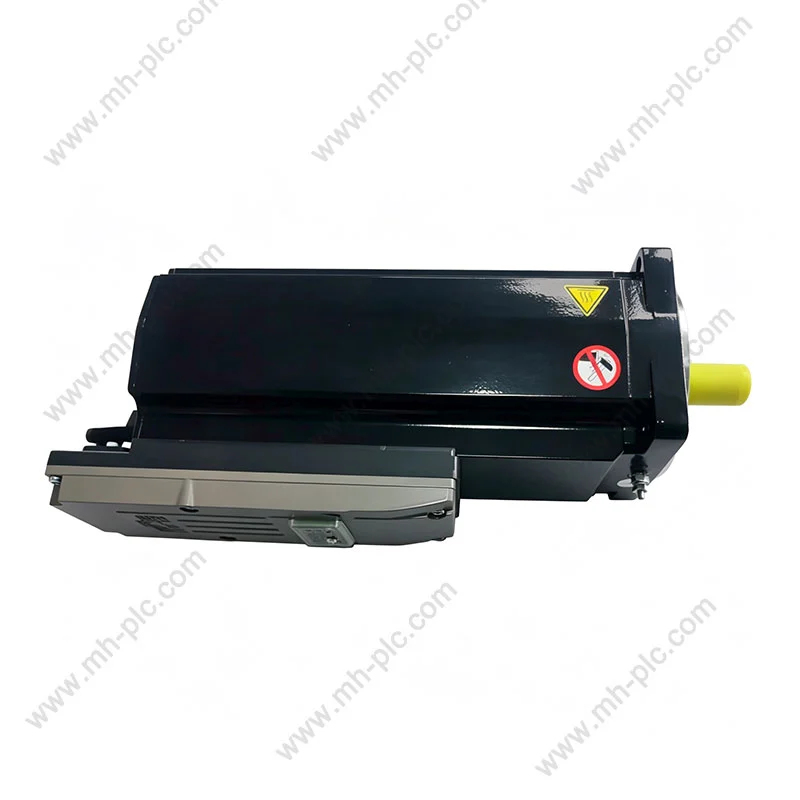
Unlike a conventional arrangement in which a motor and drive electronics may be installed separately, an integrated servo module brings important drive functions into the motor-side unit. This architecture can be particularly useful in machines with multiple axes or modular mechanical sections where reducing cabinet hardware and simplifying connections are important design objectives.

Schneider Electric describes the ILM architecture as supporting plug-and-play technology, fast interconnection through hybrid cables, and reductions in wiring and cabinet space. The manufacturer's product information states that the architecture can provide up to 70% less cabling, up to 90% less cabinet space, and up to 90% less wiring time, depending on the application and system configuration. 


How Does the Integrated Servo Architecture Work?

The key concept is decentralization. Instead of concentrating every drive component in a central electrical cabinet, integrated servo modules move part of the motion-control hardware closer to the mechanical axis.

This approach can be valuable for machines containing many independently controlled axes. A modular machine can have mechanical units located at different positions while the motion hardware remains close to the relevant motor. The result can be a cleaner machine layout and fewer long individual connections between a central cabinet and each axis.

Motor

Provides controlled rotational movement for the machine axis.

Integrated Drive

Places servo-drive functionality close to the motor.

Motion Network

Connects the axis with the machine's motion-control architecture.

The design is especially relevant when machine builders need to balance precision motion with limited cabinet space. However, an integrated motor should not be selected simply because its physical size or rated power appears suitable. Electrical compatibility, controller architecture, feedback requirements, cable design, thermal conditions, mechanical loading, and machine safety requirements must also be checked.


What Are the Main Specifications?

The following specifications provide a practical starting point for evaluating ILM0702P01A0000. Schneider Electric's product information and technical documentation identify the core values shown below. 

Parameter ILM0702P01A0000 Why It Matters
Product family Lexium 62 ILM / PacDrive 3 Determines system compatibility
Nominal output power 720 W Indicates the motor's power class
Continuous stall torque 1.7 Nm Important for sustained load analysis
Peak stall torque 7.6 Nm Relevant to short-duration dynamic demands
Nominal speed 6000 rpm Important for cycle-time and transmission calculations
Rated supply voltage 250–700 V Must match the drive-system design
Feedback Absolute single-turn SinCos Hiperface Provides position and speed feedback
Holding brake Without brake Critical for vertical or load-holding applications

Third-party distributor data also lists an 11 mm shaft diameter, a 70 mm flange size, and a 226 mm overall length for this model. For final machine design, however, dimensional drawings and the manufacturer's current technical documentation should be treated as the controlling reference.


How Should Torque and Speed Be Understood?

A common mistake in servo selection is looking only at the maximum speed. A successful motion axis requires the motor to satisfy the complete torque-speed profile of the application.

ILM0702P01A0000 has a nominal speed of 6000 rpm and a continuous stall torque of 1.7 Nm. Its documented peak stall torque is 7.6 Nm. These figures should be interpreted within the manufacturer's operating conditions rather than treated as interchangeable values. 

  • Continuous torque: relevant to loads that must be maintained over longer periods.
  • Peak torque: relevant to acceleration, deceleration, or short-duration load peaks.
  • Nominal speed: helps determine whether the motor can meet the required machine cycle.
  • Load inertia: affects acceleration performance and servo tuning.
  • Transmission ratio: changes the torque and speed requirements seen by the motor.

Engineers should therefore calculate the actual load torque, acceleration torque, reflected inertia, duty cycle, and required operating speed before confirming the motor.


Why Is Feedback Important?

Servo systems depend on feedback to determine what the motor is actually doing. ILM0702P01A0000 uses absolute single-turn SinCos Hiperface feedback, with the manufacturer's documentation specifying 128 periods for speed feedback resolution.

In practical terms, feedback helps the control system monitor position and speed so that commanded movement can be compared with actual motor behavior. This is essential for applications requiring repeatable positioning, coordinated axes, controlled acceleration, and accurate motion profiles.

When replacing an existing servo motor, engineers should verify the feedback type rather than assuming that another motor with similar power and torque will communicate correctly with the existing control system.


How Can It Simplify Machine Wiring?

One of the central advantages of the ILM architecture is its approach to machine wiring. Schneider Electric describes quick interconnection using hybrid cables for signal and power levels and highlights potential reductions in cabling, cabinet space, and wiring time.

This can be particularly useful in machines with numerous axes. Traditional architectures may require multiple motor power, feedback, and control connections to travel between the cabinet and individual motors. A decentralized architecture can change that physical arrangement and simplify machine modularization.

Practical machine-building benefits may include:
  • Less congestion inside the electrical cabinet.
  • Cleaner cable routing between machine modules.
  • Reduced installation work for multi-axis equipment.
  • More flexible mechanical module design.
  • Potentially faster commissioning when the system is correctly configured.

Where Can This Servo Motor Be Used?

The ILM0702P01A0000 is intended for industrial motion-control architectures rather than general-purpose motor applications. Its integrated design can be considered for machine axes where controlled positioning, coordinated motion, and decentralized drive architecture are required.

Industrial Automation

Packaging Machinery

Suitable motion architecture can support indexing, positioning, conveying, and synchronized machine movements.

Material Handling

Servo control can be used where controlled acceleration and repeatable positioning are required.

Modular Machinery

Integrated drive architecture can be advantageous when machine sections are physically distributed.

Multi-Axis Equipment

Decentralized servo modules can help simplify the architecture of machines with numerous controlled axes.

Application suitability depends on the complete system design. The motor's torque, speed, feedback, environmental rating, mechanical interface, controller compatibility, and duty cycle should all be evaluated before deployment.


What Should Engineers Check Before Installation?

Correct identification is especially important when purchasing or replacing industrial automation components. Before installing ILM0702P01A0000, consider the following checklist:

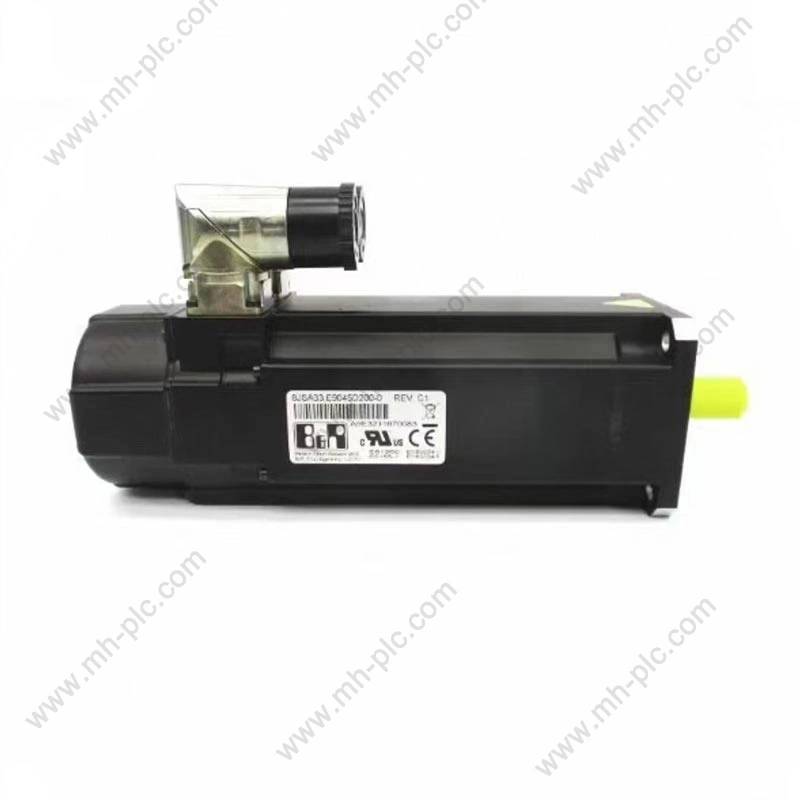
  1. Model number: Confirm that the complete part number is ILM0702P01A0000.
  2. Brake configuration: This model is specified without a holding brake.
  3. Power requirements: Verify that the system's electrical architecture is compatible with the documented 250–700 V rated supply range.
  4. Controller compatibility: Confirm compatibility with the intended PacDrive 3 architecture and motion controller.
  5. Feedback: Verify that the control system supports the specified feedback arrangement.
  6. Mechanical dimensions: Check flange, shaft diameter, shaft length, mounting orientation, and available clearance.
  7. Load characteristics: Calculate torque, inertia, acceleration, speed, and duty cycle.
  8. Cabling: Use the correct approved cable and connection arrangement for the system.
  9. Environment: Confirm temperature, dust, moisture, vibration, and installation conditions against the applicable documentation.

What Maintenance Issues Should Be Considered?

Servo motors are precision components, so maintenance should focus on operating conditions as well as the motor itself. Excessive heat, contamination, mechanical misalignment, cable damage, unusual vibration, or abnormal loading can affect system performance.

  • Inspect mechanical mounting and shaft coupling conditions.
  • Check cables and connectors for visible wear or damage.
  • Monitor abnormal temperature increases.
  • Investigate unexpected vibration or noise.
  • Review recurring position or motion errors.
  • Keep the motor and surrounding installation area within the specified environmental conditions.
  • Use manufacturer documentation when diagnosing feedback, communication, or drive-related faults.

Schneider Electric currently provides product documentation, software downloads, product-selection resources, and replacement/substitution information from its product page.
What Should Buyers Verify Before Purchasing?

Industrial automation purchases require more than matching a product name. A buyer should establish whether the offered component exactly matches the required machine configuration.

  1. Confirm the exact manufacturer part number.
  2. Check whether the unit is new, refurbished, surplus, or previously installed.
  3. Verify packaging, labels, and traceability where required.
  4. Confirm the brake configuration and feedback type.
  5. Request technical documentation when specifications are unclear.
  6. Check stock status and expected delivery time.
  7. Clarify warranty and after-sales support.
  8. For replacement projects, compare the complete electrical and mechanical configuration rather than only the motor's power rating.

Current distributor information illustrates why stock and price should be verified at the time of purchase. For example, availability and listed prices vary by distributor and region, while Schneider Electric's own regional pages may display indicative pricing and purchasing information specific to that market.


Integrated Servo Architecture vs. Conventional Cabinet Drives

Consideration Integrated Servo Approach Conventional Centralized Arrangement
Drive location Close to the motor/axis Typically centralized in cabinet
Cabinet space Can be reduced depending on system architecture More drive hardware may occupy cabinet space
Machine modularity Well suited to distributed machine modules May require more centralized wiring
Wiring concept Hybrid interconnection can simplify axis connections Separate connections may be required
Maintenance approach Field-mounted drive/motor assembly Centralized drive components

Neither architecture should be treated as universally suitable. The correct choice depends on machine topology, axis count, cabinet limitations, environmental conditions, service requirements, control architecture, and total installation design.


Frequently Asked Questions

Is ILM0702P01A0000 a servo motor or a servo drive?

It is identified by Schneider Electric as an integrated servo motor/servo drive product in the Lexium 62 ILM family. The integrated architecture combines motor and drive-related functionality into a field-mounted unit for PacDrive 3 motion systems. 

What is the power rating of ILM0702P01A0000?

The documented nominal output power is 720 W. 

What is the rated speed?

The nominal speed listed in the technical documentation is 6000 rpm. 

Does ILM0702P01A0000 have a holding brake?

No. This specific model is documented as a version without a holding brake. This distinction is important for applications where a stationary vertical load must be mechanically held. 

What feedback does this model use?

The technical documentation specifies absolute single-turn SinCos Hiperface feedback. 

What is the continuous stall torque?

The documented continuous stall torque is 1.7 Nm, while peak stall torque is specified as 7.6 Nm. These values have different engineering meanings and should be considered within the complete motion profile. 

Can it be used as a general-purpose standalone motor?

It is designed as an integrated servo product for PacDrive 3 motion-control architectures. It should therefore be evaluated as part of a compatible motion-control system rather than treated as an ordinary standalone motor. 

Why should the exact part number be checked before replacement?

Small differences in brake configuration, feedback, shaft arrangement, power rating, and other product characteristics can affect system compatibility. Confirming the complete part number helps prevent an apparently similar component from being installed into an incompatible machine.


Final Considerations

Schneider ILM0702P01A0000 is a specialized integrated servo motor in the Lexium 62 ILM family. Its 720 W nominal output, 1.7 Nm continuous stall torque, 6000 rpm nominal speed, absolute single-turn SinCos Hiperface feedback, and brake-free configuration make it a clearly defined component rather than a generic servo motor. 

Its integrated architecture is particularly relevant to machine builders working with modular, multi-axis, or space-constrained automation equipment. The potential reduction in cabinet space and wiring can simplify machine architecture, while the field-mounted design can support more distributed equipment layouts. Schneider Electric specifically highlights reductions in cabling, cabinet space, and wiring time as characteristics of the ILM approach.

For purchasing and replacement projects, the most important step is to verify the complete configuration rather than matching the model by appearance or power alone. Electrical compatibility, controller architecture, feedback, mechanical dimensions, brake requirements, environmental conditions, cable configuration, and machine load should all be reviewed before installation.

Need Help With Industrial Automation Components?

Dongguan Nancheng Mao Hui Machinery Equipment Trading Co., Ltd. provides industrial machinery and automation equipment sourcing support for customers who need reliable component identification and purchasing assistance. If you are checking Schneider Electric servo products, replacement components, or related automation equipment, our team can help verify model information and sourcing requirements.

For product inquiries, availability checks, replacement requirements, or industrial automation sourcing support, contact us with the complete model number and your application details.

Related News
Leave me a message
X
We use cookies to offer you a better browsing experience, analyze site traffic and personalize content. By using this site, you agree to our use of cookies. Privacy Policy
RejectAccept