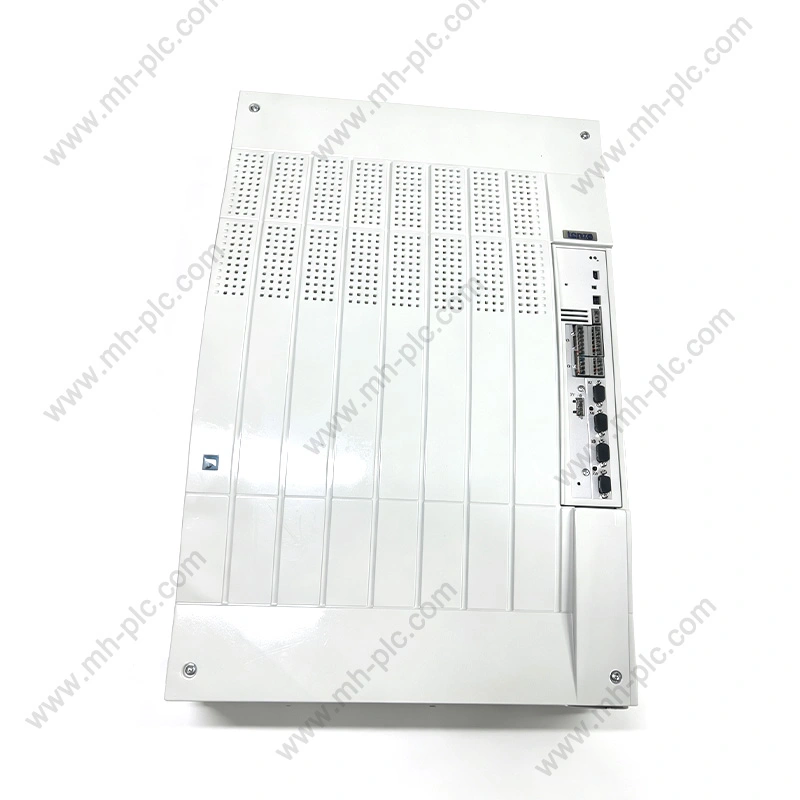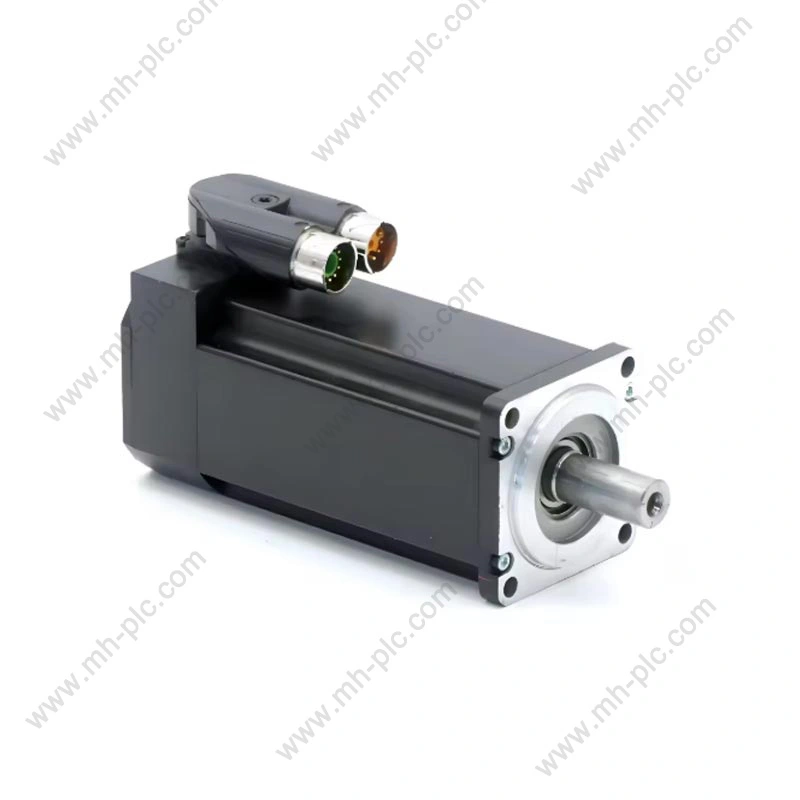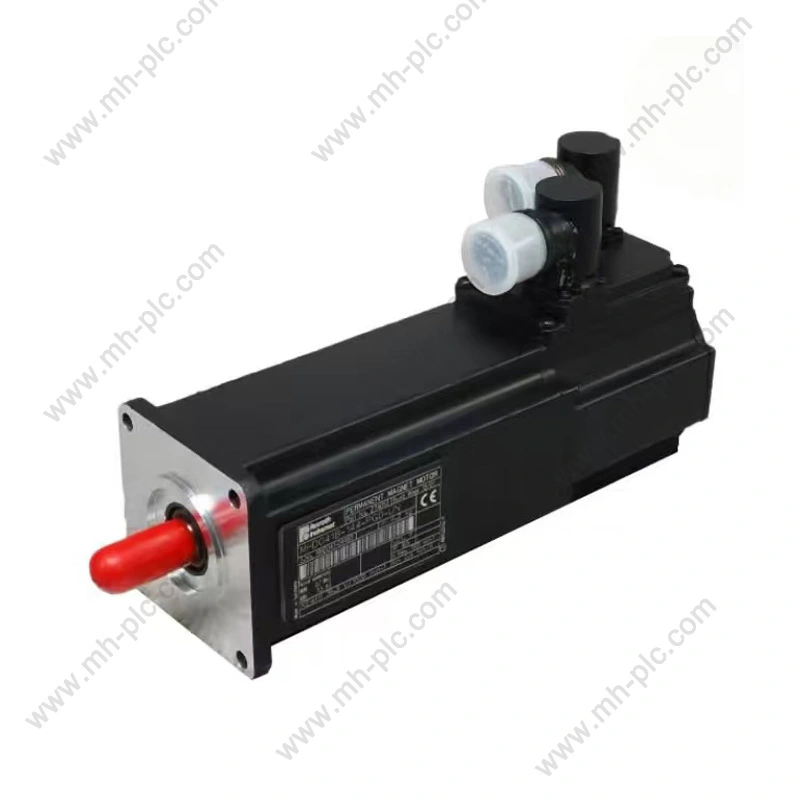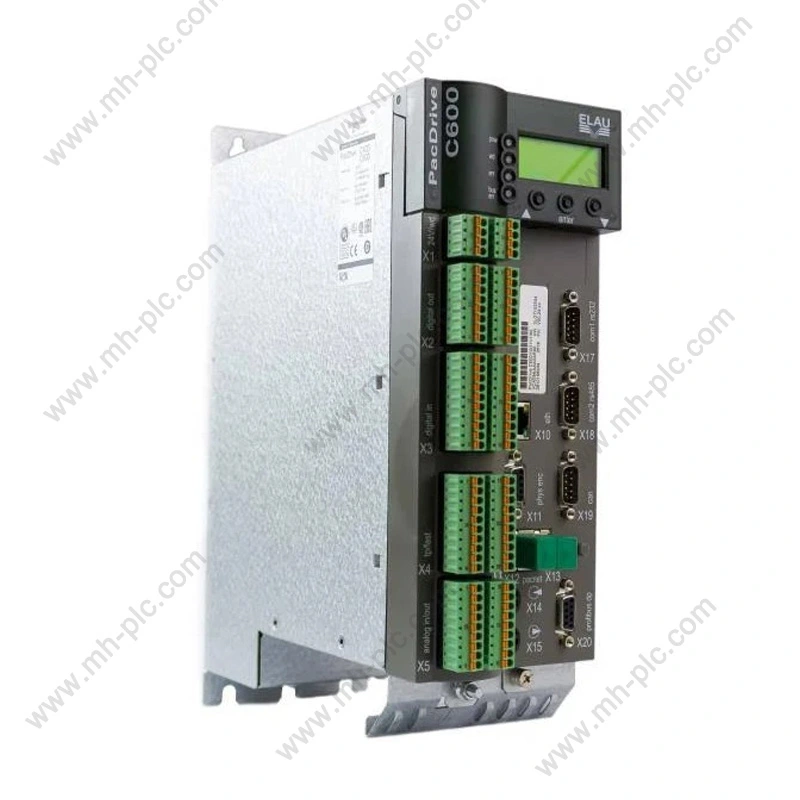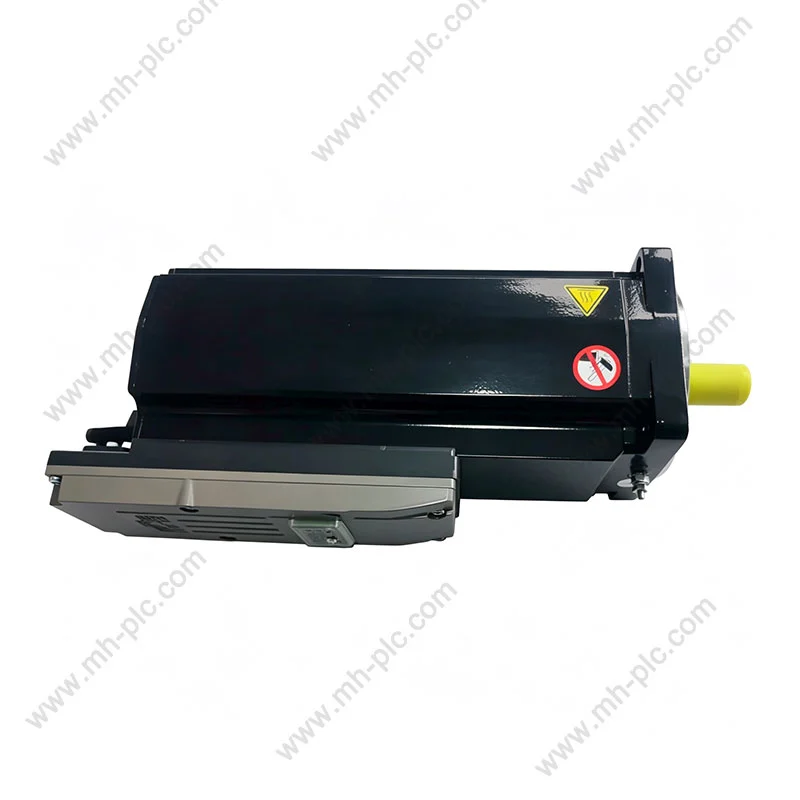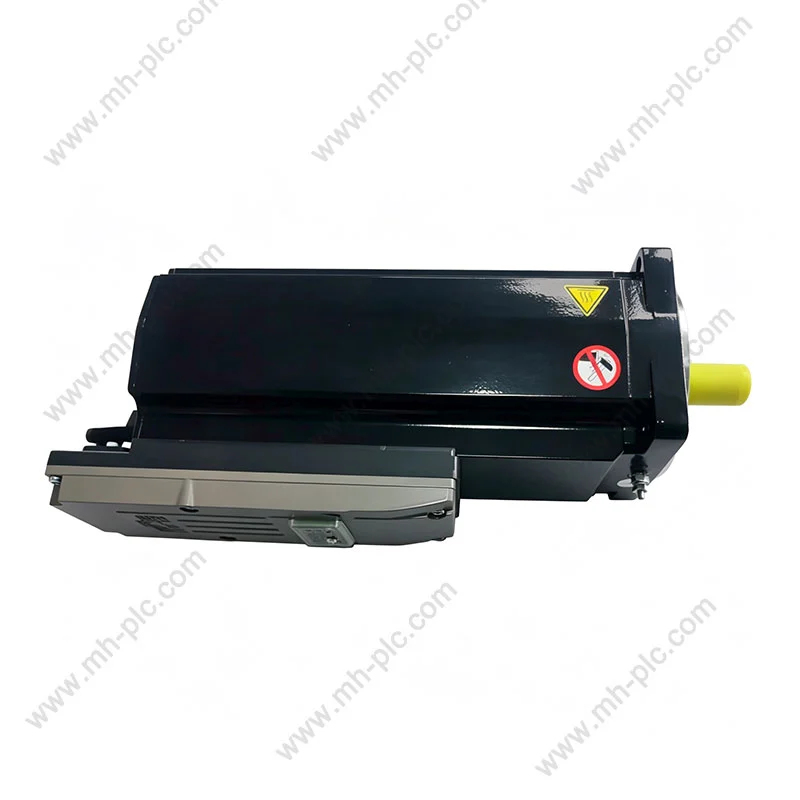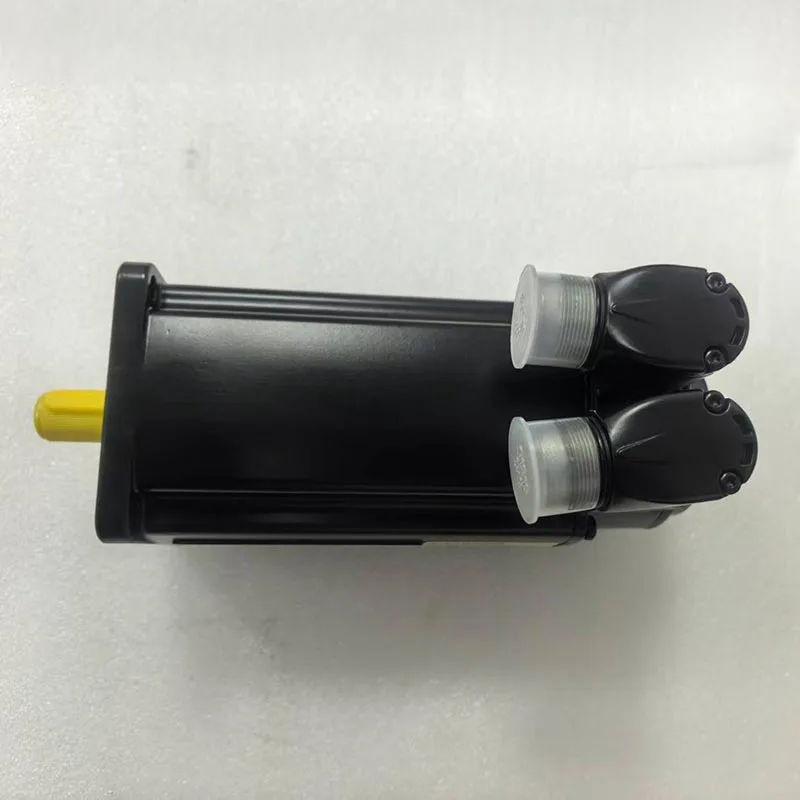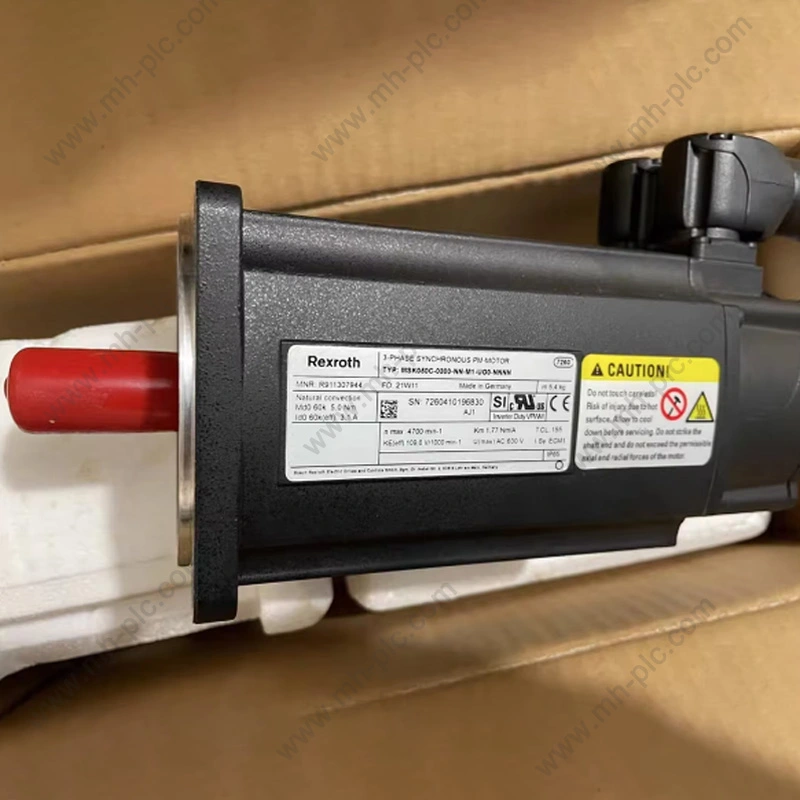

Rexroth Servo products are commonly considered for industrial machines that require controlled speed, repeatable positioning, responsive torque performance, and coordinated motion. For international buyers, however, selecting the right product is not simply a matter of choosing a servo motor with a suitable power rating. The complete application may also depend on continuous and peak torque, operating speed, feedback type, holding brake, mechanical dimensions, controller compatibility, communication interface, and the relationship between the motor and its corresponding drive system. Product generations can also differ in mechanical and electrical details, making the exact model number especially important for replacement and maintenance projects.
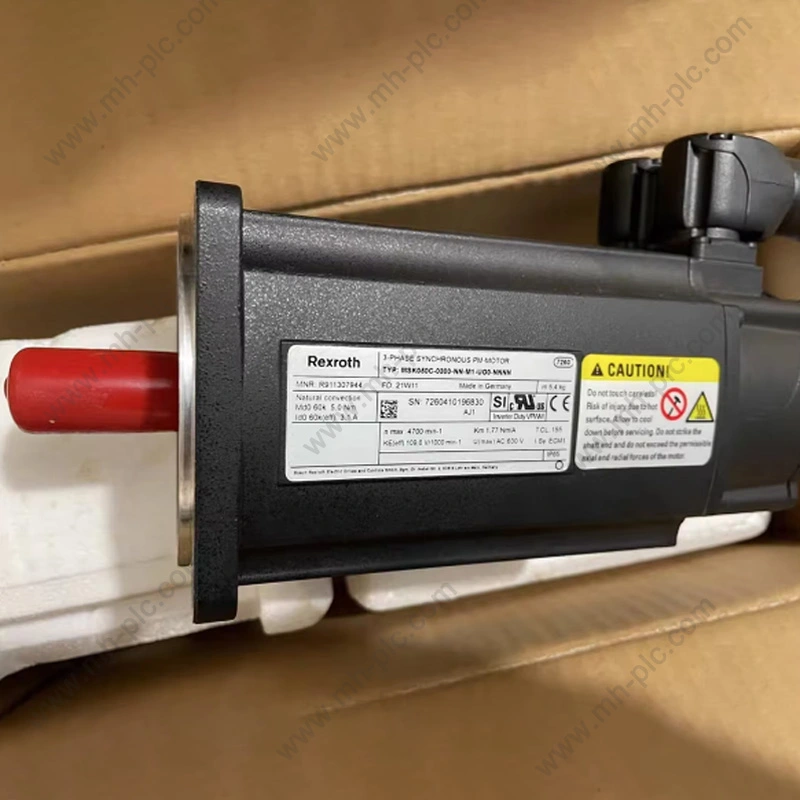
Table of Contents
Click any topic to jump directly to the section.
- 1. Why Is Servo Selection Closely Tied to the Machine?
- 2. How Does a Servo Axis Create Controlled Motion?
- 3. Which Components Need to Be Matched Together?
- 4. How Do Torque, Speed, and Inertia Shape Product Selection?
- 5. Why Does Feedback Type Matter in Servo Applications?
- 6. What Role Do Servo Drives Play in Motion Performance?
- 7. How Do Brakes, Connectors, and Mechanical Interfaces Affect Selection?
- 8. How Should Different Servo Product Generations Be Evaluated?
- 9. Which Industrial Applications Need High-Response Motion?
- 10. What Should Buyers Check Before Ordering a Replacement?
- 11. How Can a Supplier Help With Model-Based Sourcing?
- 12. What Common Procurement Mistakes Should Be Avoided?
- 13. What Information Should a Professional Specification Include?
- 14. Frequently Asked Questions
Why Is Servo Selection Closely Tied to the Machine?
A servo motor does not operate in isolation. Its suitability is determined by what the machine asks it to do, how quickly it must respond, how often it accelerates and decelerates, and how accurately it must follow a commanded trajectory.
Consider a packaging machine. One axis may move a product into position, another may control a sealing mechanism, and a third may synchronize material movement with the cutting process. Each axis can have a different load, speed range, inertia, and acceleration profile.
A machine tool creates a different set of requirements. Its feed axis may need highly repeatable positioning and controlled movement over a long operating period. A robot may prioritize fast changes in direction and coordinated multi-axis motion. A material-handling system may require rapid acceleration, controlled stopping, and reliable operation under variable payloads.
These examples show why a servo product should be selected from the machine's motion requirements rather than from a catalog power range alone.
Defines speed, acceleration, deceleration, travel distance, cycle time, and the frequency of repeated movement.
Determines continuous torque, peak torque, inertia, friction, gravity loads, and external process forces.
Defines the required position, speed, torque, repeatability, and settling performance.
Requires matching the motor, drive, feedback, controller, communication, connectors, and mechanical interfaces.
Why average load is not enough
Many machines have large differences between average and peak operating conditions. A positioning axis may spend most of its time holding or moving slowly but still require substantial torque for rapid acceleration.
Likewise, a vertical axis can have a continuous gravity load even when its average travel speed is low.
Why cycle time changes the selection
Frequent acceleration and deceleration place more demand on the motor and drive than a machine that operates continuously at a stable speed.
The thermal behavior of the motor also depends on the complete cycle. Repeated peak torque can produce a different thermal condition from one short acceleration event followed by long idle periods.
Why mechanics influence electronic performance
A servo controller can be highly responsive, but machine precision is also affected by backlash, coupling flexibility, belt stretch, screw accuracy, structural stiffness, bearing condition, and alignment.
For this reason, good servo selection should be accompanied by mechanical evaluation.
How Does a Servo Axis Create Controlled Motion?
A typical servo axis combines power conversion, real-time control, motor feedback, and machine-level commands.
The motion controller defines the target movement. The drive converts the command into motor current and voltage. The motor creates torque. The feedback device reports actual motion. The control loop then compares actual performance with the command and makes corrections.
Position command
The machine controller may specify a target position or trajectory. In a simple indexing application, the target can be a fixed position. In a coordinated system, the command may change continuously according to a motion profile.
Speed control
The system can use the feedback signal to determine actual speed. If the motor slows under an unexpected load, the drive can increase the required torque-producing current to compensate.
Current control
The current loop operates at a much higher speed than the outer position loop. Its purpose is to regulate motor current so that torque can be controlled rapidly.
Position correction
When actual position differs from commanded position, the control system determines the correction required. Proper tuning is necessary because an overly aggressive system can create oscillation, while an under-responsive system can increase following error.
| Control Layer | Primary Purpose | Typical Concern |
|---|---|---|
| Position loop | Tracks the commanded position | Accuracy, following error, settling |
| Speed loop | Regulates motor speed | Speed stability and disturbance response |
| Current loop | Controls motor current and torque | Dynamic response and current limits |
| Power stage | Supplies electrical power to the motor | Voltage, current, switching, thermal behavior |
Why closed-loop control matters
Without feedback, the controller cannot directly determine whether the motor actually reached the commanded position or speed. Closed-loop control allows the system to detect deviations and respond.
This is particularly useful when machine load changes during operation.
Why tuning must reflect the machine
A rigid direct-coupled mechanism can tolerate different control settings from a flexible belt-driven axis. A large inertia load also behaves differently from a lightweight moving carriage.
Servo tuning should therefore be performed after the mechanical configuration is established.
Motion coordination
In a multi-axis machine, each local servo loop handles its own motor while the motion controller coordinates the overall trajectory.
The quality of synchronization depends on controller performance, communication timing, drive response, and mechanical consistency between axes.
Which Components Need to Be Matched Together?
A complete servo axis normally contains multiple components that must work as a coordinated set.
Motor
The motor provides mechanical torque. Important parameters include rated torque, peak torque, rated speed, maximum speed, feedback type, mounting dimensions, shaft dimensions, and optional holding brake.
Drive
The drive controls motor current and receives feedback information. Its current range, voltage class, control functions, encoder interface, communication options, and mechanical installation dimensions need to correspond to the motor and controller.
Feedback device
The encoder or resolver tells the drive what the motor is actually doing. The drive must understand the feedback technology and electrical interface.
Motion controller
The motion controller generates trajectories and coordinates axes. Depending on the machine, this can be a PLC with motion functions, CNC control, robot controller, or another automation platform.
Mechanical transmission
Gearboxes, couplings, ball screws, belts, racks, pulleys, and other mechanisms determine how motor motion is translated into machine movement.
| System Part | Main Function | Important Compatibility Point |
|---|---|---|
| Servo motor | Produces mechanical torque | Torque, speed, feedback, mounting |
| Servo drive | Controls electrical output | Motor ratings, feedback, voltage, current |
| Encoder or resolver | Provides motion feedback | Interface, resolution, communication |
| Motion controller | Generates motion commands | Network and control compatibility |
| Mechanical transmission | Transfers movement to the machine | Ratio, backlash, stiffness, dimensions |
Motor-drive pairing
Servo motors and drives are often engineered as compatible combinations. This can simplify commissioning because the drive can contain established motor data and compatible feedback settings.
For replacement projects, keeping the original motor-drive relationship can be especially useful when the machine controller and mechanical system remain unchanged.
Controller-drive communication
The controller and drive need to exchange motion commands and status information. The required communication architecture should be identified before equipment is selected.
Why accessories matter
Power cables, feedback cables, connectors, braking components, and mounting accessories can all influence successful installation.
These parts should be checked as part of the complete configuration rather than treated as unrelated extras.
How Do Torque, Speed, and Inertia Shape Product Selection?
Torque and speed form the foundation of motor selection. Inertia, acceleration time, and duty cycle then determine whether the selected motor can perform the required motion.
Continuous torque
Continuous torque represents the torque that can be supplied over sustained operation under defined thermal conditions.
It should be compared with the actual continuous portion of the machine duty cycle.
Peak torque
Peak torque supports short-duration events such as acceleration, rapid reversing, or process disturbances.
The duration of the peak and how frequently it occurs both matter.
Speed range
The motor needs to operate within the machine's required speed range. A high maximum speed is useful only when the machine mechanics and control system can safely use it.
Load inertia
Inertia measures resistance to changes in rotational speed. More inertia requires more torque when accelerating or decelerating.
If a gearbox is used, the load inertia reflected to the motor changes with the transmission ratio.
Gravity loads
Vertical axes are a special case. Gravity creates a persistent torque demand and may also require a holding brake.
| Parameter | Question to Ask | Why It Matters |
|---|---|---|
| Continuous torque | What torque is required during sustained motion? | Determines thermal suitability |
| Peak torque | What is the highest short-duration torque? | Determines acceleration and disturbance capability |
| Speed | What are the minimum and maximum operating speeds? | Defines motor operating range |
| Inertia | How much rotating mass must be accelerated? | Influences torque and tuning |
| Cycle time | How often does the axis repeat its motion? | Influences thermal and dynamic requirements |
Why RMS torque can matter
For cyclic machines, the motor does not experience the same torque continuously. It may accelerate with high torque, travel with moderate torque, decelerate, and then remain idle.
RMS torque provides a useful representation of the thermal demand over the cycle.
Acceleration torque
A simplified mechanical relationship is:
Acceleration Torque = Inertia × Angular Acceleration
This relationship illustrates why a machine with high inertia and aggressive acceleration can need substantial peak motor torque even if its steady-state load is relatively modest.
Transmission ratio
Gearboxes can increase output torque while reducing motor-side reflected inertia. The actual selection should therefore consider both the motor and the mechanical transmission.
External process force
Cutting, pressing, tensioning, clamping, winding, and other operations can create external forces that add to the motor torque requirement.
- Define the movement: Establish travel, speed, acceleration, deceleration, and cycle time.
- Determine the load: Identify mass, inertia, friction, gravity, and external process forces.
- Review transmission: Record gearbox ratio, screw pitch, belt ratio, or other mechanical relationships.
- Calculate torque: Determine continuous, acceleration, and peak requirements.
- Check speed: Verify that the required operating range falls within the motor's specified range.
- Review thermal duty: Evaluate the full repetitive cycle rather than one operating point.
Why Does Feedback Type Matter in Servo Applications?
Feedback provides the information needed to close the motion-control loop. Different feedback technologies offer different combinations of resolution, position information, robustness, and electrical interface.
Incremental encoders
Incremental encoders generate pulse signals as the motor shaft rotates. The control system uses these pulses to determine movement and direction.
They are appropriate for many applications where a reference procedure is acceptable after startup.
Absolute encoders
Absolute encoders provide defined position information. Depending on the design, this can allow the system to identify shaft position more directly after power restoration.
This can be useful in machines where position information is important immediately after startup.
Resolver feedback
Resolvers use electromagnetic principles to determine angular position and can be suitable for demanding environments where robustness is important.
Resolution
Feedback resolution indicates how finely shaft movement can be measured. Higher resolution can support better control, but it does not automatically eliminate mechanical inaccuracies.
| Feedback Type | Basic Characteristic | Selection Consideration |
|---|---|---|
| Incremental encoder | Pulse-based relative movement information | Reference position and interface |
| Absolute encoder | Defined shaft-position information | Resolution and communication |
| Resolver | Electromagnetic position feedback | Environmental robustness and interface |
Feedback and positioning accuracy
Positioning accuracy depends on more than encoder resolution. Mechanical backlash, coupling flexibility, ball-screw accuracy, frame rigidity, thermal expansion, and controller tuning can all contribute to the final machine error.
Feedback cable routing
Feedback cables operate near power cables and switching electronics in many machines. Shielding, grounding, connector integrity, and appropriate routing can help preserve signal quality.
Why feedback compatibility is critical during replacement
An existing drive may be configured for a specific feedback technology. A replacement motor with a different encoder interface may therefore require a different drive or feedback option.
What Role Do Servo Drives Play in Motion Performance?
The servo drive is the power and control interface between the machine controller and motor. It determines how quickly and accurately the motor can respond to changing commands.
Power conversion
The drive converts incoming electrical power into controlled motor current. Semiconductor switching creates the required three-phase output according to the control algorithm.
Current regulation
Current regulation is central to torque control. Fast current response allows the drive to react quickly when machine load changes.
Feedback processing
The drive interprets encoder or resolver data and combines that information with the commanded motion to calculate corrections.
Protection
Drives commonly monitor current, voltage, temperature, and other internal operating conditions. Protective responses can include alarms, current limitation, controlled stop, or shutdown depending on the fault.
Communication
The drive may communicate with the PLC, CNC, motion controller, HMI, or supervisory system through a specified industrial network.
| Drive Function | Purpose | Application Impact |
|---|---|---|
| Current control | Regulates motor current | Torque response |
| Speed control | Maintains commanded speed | Speed stability |
| Position control | Tracks commanded position | Position accuracy and settling |
| Feedback processing | Reads actual motion | Closed-loop correction |
| Protection | Monitors operating conditions | Fault response and equipment protection |
| Communication | Exchanges control and diagnostic data | PLC and machine integration |
Why drive sizing differs by application
A drive used for a continuously rotating axis may not have the same requirements as one used for rapid indexing.
Frequent acceleration and high peak torque can demand greater short-duration current capability.
Drive and motor data
The drive may require motor-specific parameters to achieve the intended control performance.
Incorrect motor data can result in poor torque control, unnecessary current, or incorrect protective behavior.
Drive thermal conditions
Cabinet temperature, mounting clearance, switching frequency, output current, and ventilation all influence drive temperature.
Installation design should therefore follow the drive's specified environmental and thermal requirements.
How Do Brakes, Connectors, and Mechanical Interfaces Affect Selection?
Many replacement problems occur at the interfaces rather than at the core motor rating. A motor can match the required torque and speed but still fail to fit the machine because of shaft, flange, connector, or brake differences.
Holding brake
A holding brake can maintain a stationary motor position when electrical torque is removed. Vertical axes frequently require this function.
The brake voltage, wiring, release behavior, and controller sequence should be checked.
Shaft dimensions
Shaft diameter and shaft length must match the coupling, gearbox, pulley, or other mechanical transmission.
Flange dimensions
Motor mounting usually depends on the flange pattern, bolt spacing, pilot diameter, and overall motor dimensions.
Connector arrangement
Power and feedback connectors can be located differently between model families or product generations. Connector orientation can also affect cable routing and cabinet layout.
Cooling arrangement
Some motors rely on natural cooling, while others can use additional cooling arrangements depending on the product design.
| Interface | What to Verify | Why It Matters |
|---|---|---|
| Brake | Brake type and voltage | Holding and control compatibility |
| Shaft | Diameter, length, keyway where applicable | Mechanical coupling |
| Flange | Mounting dimensions and pilot | Physical installation |
| Power connector | Connector type and pin configuration | Electrical installation |
| Feedback connector | Encoder interface and wiring | Closed-loop operation |
| Cooling | Cooling method and installation requirements | Thermal performance |
Why mounting dimensions matter in replacement projects
Industrial machines are often designed around fixed mounting points. A replacement motor with different overall dimensions can require mechanical redesign even when the electrical ratings are acceptable.
Why connector orientation matters
Cable routing is often constrained by protective covers, machine guards, moving components, and cabinet walls. Connector orientation can therefore affect installation practicality.
Brake release timing
For vertical axes, brake release and motor torque generation need to be coordinated. Releasing the brake too early or removing motor torque before the brake is engaged can result in unwanted axis movement.
How Should Different Servo Product Generations Be Evaluated?
Industrial automation equipment often remains in service for many years. As a result, engineers and maintenance teams may need to source newer and established product generations for different machines.
Related product families can share similar functions while differing in dimensions, feedback options, drive compatibility, communication architecture, or available accessories.
Established motor families
Older automation systems can continue operating reliably for years. When a replacement is needed, the original material number provides valuable information about the installed configuration.
Newer motor families
Newer product families may provide different housing dimensions, feedback options, cooling methods, or integration features.
These products can be highly suitable for new projects while not necessarily being direct mechanical replacements for older motors.
Why model codes matter
Industrial model numbers can encode important configuration information. A small suffix difference may distinguish feedback, brake, winding, mounting, or other options.
| Comparison Point | What to Check | Replacement Risk if Ignored |
|---|---|---|
| Motor family | Original and proposed family | Different technical architecture |
| Model number | Complete material number | Incorrect configuration |
| Feedback | Encoder or resolver specification | Drive incompatibility |
| Brake | Brake option and voltage | Control or holding problems |
| Mounting | Flange and shaft dimensions | Mechanical installation conflict |
| Drive relationship | Compatible drive family | Incorrect servo system combination |
Replacement does not always mean identical hardware
An obsolete or unavailable model may need to be evaluated against a later product family. In that situation, the comparison should cover electrical, mechanical, feedback, software, control, and communication characteristics.
When keeping the same product family is useful
When a machine contains multiple axes from the same established platform, maintaining the same ecosystem can simplify configuration and spare-parts management.
When a different family may be appropriate
A newer machine or a major control-system upgrade may provide an opportunity to use a different servo platform. This should be treated as a system-engineering decision rather than a simple product substitution.
Which Industrial Applications Need High-Response Motion?
Servo systems are particularly relevant where a machine needs repeatable motion, high acceleration, coordinated axes, or accurate positioning.
Indexing, film feeding, cutting, sealing, filling, and synchronized product handling.
Feed axes, positioning, coordinated movement, and precision mechanical control.
Multi-axis movement requiring coordinated speed, position, and torque response.
Roller synchronization, registration, winding, slitting, and tension-related movement.
Repeatable positioning for insertion, fastening, dispensing, pressing, and inspection.
Indexing, transfer systems, lifting, pick-and-place, and automated positioning.
Packaging
Packaging machines often depend on precise timing. A product must arrive at the right location while another axis performs cutting or sealing.
The servo system helps coordinate these actions through synchronized motion commands.
Machine tools
Machine tools can require precise feed movement and repeatable positioning. Servo axes can drive ball screws, rotary tables, or other positioning mechanisms.
Robotics
Robotic systems depend on multiple axes moving together according to a planned trajectory. The controller handles overall coordination while each servo drive regulates its local motor.
Printing and converting
Printing and converting equipment often needs accurate relationships between rollers and processing sections. Speed differences can affect registration and material handling.
Assembly automation
Assembly machines frequently repeat short movements at high frequency. Consistent acceleration, deceleration, positioning, and torque response can therefore be important.
Material handling
Automated handling equipment can require quick movement followed by controlled stopping. The load may also vary from one cycle to another.
| Application | Typical Motion Requirement | Important Selection Area |
|---|---|---|
| Packaging | Indexing and synchronization | Position control and communication |
| Machine tools | Precise feed motion | Feedback and dynamic response |
| Robotics | Multi-axis trajectories | Synchronization and position control |
| Printing | Roller synchronization | Speed regulation and coordination |
| Assembly | Rapid repeatable movements | Acceleration and settling behavior |
| Material handling | Fast transfer and controlled stops | Torque, inertia, braking |
The application determines the technical priority. A high-speed packaging axis can need fast response, while a heavy transfer axis can place greater emphasis on peak torque and inertia handling.
What Should Buyers Check Before Ordering a Replacement?
Replacement projects are often more demanding than new equipment sourcing because the new product must fit an existing machine and control architecture.
Check the complete model number
The full material number is usually more useful than a shortened product name. It helps distinguish the required voltage, feedback, brake, winding, or mechanical configuration.
Check the motor nameplate
Record power, torque, speed, current, voltage, feedback information, brake information, and the complete model number.
Check the existing drive
Verify the drive model, current rating, supply voltage, control platform, feedback interface, communication option, and installed accessories.
Check the controller
Identify the PLC, CNC, robot controller, or motion controller and determine how it communicates with the existing drive.
Check the mechanical interface
Measure shaft dimensions, flange dimensions, bolt pattern, pilot dimensions, and available installation space.
Check cabling
Power cables and feedback cables should be verified for connector type, length, routing, shielding, and pin assignment where applicable.
| Replacement Check | Information Required | Reason |
|---|---|---|
| Motor model | Complete material number | Identifies exact configuration |
| Drive model | Complete model and options | Confirms control compatibility |
| Feedback | Encoder or resolver information | Ensures closed-loop compatibility |
| Brake | Brake option and voltage | Supports correct holding operation |
| Mechanical fit | Shaft, flange, dimensions | Confirms physical installation |
| Communication | PLC or controller interface | Maintains machine integration |
Why photographs can help
Nameplate photographs can make model identification easier, particularly when the printed code is long or contains several configuration segments.
Photos of connectors and mounting arrangements can also help identify mechanical and electrical differences.
Why the original application should be described
Knowing that a motor is used on a packaging line, machine tool, robot, or conveyor provides context for torque, speed, braking, and control requirements.
Why replacement should not be based on appearance
Two servo motors can look similar while having different feedback systems, shaft dimensions, mounting configurations, or drive compatibility.
- Record the installed model: Capture the complete motor and drive model numbers.
- Record technical ratings: Confirm voltage, current, torque, power, and speed.
- Identify feedback: Record encoder or resolver type and interface.
- Check brake configuration: Confirm whether a holding brake is installed.
- Verify dimensions: Compare shaft, flange, mounting, and overall dimensions.
- Confirm communication: Check PLC, CNC, or motion-controller compatibility.
- Review the application: Describe the actual machine duty and motion requirements.
- Confirm the proposed model: Verify the complete product configuration before ordering.
How Can a Supplier Help With Model-Based Sourcing?
For branded industrial automation equipment, a supplier can add value by helping buyers identify the correct model and check compatibility before the order is finalized.
Model identification
The original material number can be checked against the requested product family and application.
This is particularly helpful when the customer knows the installed machine model but is uncertain which servo component is required.
Configuration checking
A supplier can help compare key technical details such as motor rating, feedback, brake, mounting, and related drive requirements.
Replacement sourcing
Maintenance teams often need components for machines that have been operating for years. The requested product may belong to an established product family rather than the newest series.
A model-focused sourcing process can therefore be more useful than a generic recommendation for a new product family.
Cross-checking application information
When the original model number is incomplete, application details can provide additional context.
- Machine type: Identify the equipment and axis function.
- Motor information: Provide rated torque, speed, voltage, current, and model.
- Drive information: Provide the current drive model and control platform.
- Feedback: Confirm the encoder or resolver arrangement.
- Mechanical data: Provide shaft, flange, dimensions, and mounting information.
- Control system: Identify the PLC, CNC, or motion controller.
Why supplier-led verification matters
Industrial product codes can be difficult to interpret without the complete technical context. A model that looks correct in a search result may have a different feedback interface, brake option, or mechanical configuration.
Verification before shipment can therefore prevent avoidable installation problems.
New projects versus replacement projects
For a new machine, the supplier can review the requested torque, speed, feedback, controller, and environment.
For an existing machine, the original model and nameplate information generally provide the strongest starting point.
| Project Type | Most Useful Information | Supplier Focus |
|---|---|---|
| New machine | Motion profile and load requirements | Product matching and configuration |
| Routine replacement | Complete original model | Exact model identification |
| Older machine | Nameplate and application details | Established product-family sourcing |
| Control upgrade | Existing system plus new controller | Drive and communication compatibility |
What Common Procurement Mistakes Should Be Avoided?
Procurement errors can create unnecessary delays when a servo component is technically close to the required product but not actually compatible.
- Using a shortened model number: Missing suffix information can hide important configuration differences.
- Matching only the power rating: Torque, speed, feedback, brake, and dimensions also matter.
- Ignoring the installed drive: Motor-drive compatibility should be checked before selecting a replacement motor.
- Ignoring feedback: Encoder or resolver differences can prevent proper closed-loop operation.
- Ignoring the mounting interface: Shaft and flange differences can prevent physical installation.
- Ignoring the controller: A technically suitable drive may not support the existing communication system.
- Ignoring the brake: A missing or different brake can affect vertical-axis operation.
- Assuming the newest model is the direct replacement: Later product generations can have different technical interfaces.
The model-number problem
Long industrial model numbers are difficult to memorize, but every section can contain useful configuration information. When requesting a replacement, the complete code should be provided whenever possible.
The power-rating problem
Power is easy to compare, but it does not describe the complete motion capability.
A machine requiring high peak torque may need a different motor and drive than a machine with the same average power but a smoother load profile.
The compatibility problem
Motor and drive should be treated as a matched pair unless the proposed combination has been technically verified.
The documentation problem
Replacement projects often involve old machines whose original documentation is incomplete. Nameplate photos, cabinet photos, wiring diagrams, and machine application information can help rebuild the required configuration.
The assumption problem
“Same series” does not necessarily mean “same specification.” Related products can have different winding configurations, feedback options, brakes, connectors, or mechanical dimensions.
What Information Should a Professional Specification Include?
A professional servo specification should give enough information for engineering and procurement teams to identify the appropriate product without relying on assumptions.
| Specification Category | Information to Define | Selection Purpose |
|---|---|---|
| Machine application | Machine type and axis function | Defines motion requirements |
| Motor | Model, torque, speed, voltage, current | Defines motor capability |
| Drive | Model, voltage, current, options | Defines power and control compatibility |
| Feedback | Encoder or resolver type | Ensures closed-loop compatibility |
| Motion profile | Speed, acceleration, deceleration, travel, cycle time | Defines dynamic requirements |
| Load | Mass, inertia, friction, external force | Determines torque requirement |
| Brake | Brake presence and voltage | Supports holding and safety functions |
| Mechanical interface | Shaft, flange, mounting dimensions | Confirms physical fit |
| Communication | PLC, CNC, or motion-network interface | Ensures automation integration |
| Environment | Temperature, humidity, vibration, installation conditions | Confirms application suitability |
Start with the application
Identify what the axis actually does. “Servo motor for automated equipment” is too broad. A more useful description explains the movement, load, speed, acceleration, and control requirements.
Provide the complete motor data
Motor power, torque, speed, current, voltage, feedback, and brake information should be included where available.
Provide the complete drive data
The drive model, supply voltage, current rating, communication option, feedback interface, and installed accessories should be documented.
Define the motion cycle
Give the acceleration time, deceleration time, operating speed, travel distance, dwell time, and repetition frequency.
Define the mechanical load
Mass, inertia, gearbox ratio, screw pitch, pulley dimensions, friction, and external process force can all affect selection.
Define the environmental conditions
Ambient temperature, cabinet temperature, vibration, humidity, dust, and installation position should be considered.
Define replacement constraints
For an existing machine, the specification should identify which components must remain unchanged. This can include the controller, cabinet, cables, gearbox, coupling, and mounting structure.
- Identify the axis: Describe its function and machine position.
- Record the installed product: Capture complete motor and drive model numbers.
- Record ratings: Confirm torque, speed, current, voltage, and power.
- Identify feedback: Confirm encoder or resolver configuration.
- Review mechanical interfaces: Check shaft, flange, mounting, and overall dimensions.
- Define motion: Record speed, acceleration, deceleration, travel, and cycle time.
- Define communication: Identify the controller and network architecture.
- Review braking: Check regenerative braking and holding-brake requirements.
- Review environment: Confirm temperature, humidity, vibration, and installation conditions.
- Verify final model: Cross-check the complete configuration before purchase.
What should buyers provide to a supplier?
- Complete material number: Provide the full model code from the nameplate.
- Nameplate image: Include a clear photograph where available.
- Drive model: Provide the corresponding drive or existing control cabinet information.
- Machine application: Explain the axis function and machine process.
- Mechanical dimensions: Provide shaft and mounting information for replacement projects.
- Feedback information: Identify encoder, resolver, or other feedback details.
- Control architecture: Identify PLC, CNC, motion controller, and communication interface.
This information allows a supplier to perform a more meaningful product check. It also helps distinguish exact replacements from alternative configurations that may require additional engineering work.
Frequently Asked Questions
What is a Rexroth Servo system used for?
Servo systems are used in industrial machinery that requires controlled speed, torque, positioning, or coordinated movement. Typical applications include packaging, machine tools, robotics, printing, assembly, and automated material handling.
Is a servo motor the same as a servo drive?
No. The motor produces mechanical torque, while the servo drive supplies controlled electrical power and manages current, feedback, protection, and communication functions.
Why is feedback required?
Feedback provides information about actual motor position or speed. The control system compares actual motion with the commanded motion and makes corrections.
What information is most important when selecting a servo motor?
Key information includes continuous torque, peak torque, speed range, load inertia, duty cycle, feedback type, brake option, supply requirements, mounting dimensions, and controller compatibility.
Is motor power enough to select a servo?
No. Power is only one parameter. The actual motion profile, continuous and peak torque, speed, inertia, feedback, brake, mechanical interface, and drive compatibility should also be checked.
What is peak torque?
Peak torque is the short-duration torque capability of the motor. It is particularly important during acceleration, rapid reversing, and temporary load disturbances.
Why does load inertia matter?
High inertia requires more torque to accelerate or decelerate. It can therefore influence motor sizing, drive capacity, braking requirements, and servo tuning.
What is the difference between incremental and absolute encoders?
Incremental encoders provide pulse-based movement information, while absolute encoders provide defined position information. The appropriate choice depends on the machine control architecture and position requirements.
Can an existing servo motor be replaced with a newer model?
Potentially, but the replacement must be checked for electrical, mechanical, feedback, brake, drive, controller, and communication compatibility. A newer product is not automatically a direct replacement.
Why is the complete model number important?
Industrial model numbers can distinguish feedback, brake, mounting, winding, voltage, or other configuration details. A shortened code may not provide enough information to identify the exact product.
What should be checked when replacing a servo motor?
Check the complete model, motor ratings, feedback system, brake, shaft, flange, connector arrangement, drive compatibility, controller interface, cabling, and installation dimensions.
Can one servo motor work with different drives?
Only when the proposed drive supports the motor's electrical ratings, feedback technology, control requirements, and other interfaces. Compatibility should be verified from the complete technical specifications.
What is the purpose of a holding brake?
A holding brake keeps the motor stationary when electrical torque is removed. It is particularly useful on vertical axes where gravity could otherwise cause movement.
Does a holding brake replace dynamic braking?
Not necessarily. A holding brake is normally intended to hold the load at rest. Dynamic stopping may rely on the servo drive, braking resistor, regenerative system, or another specified method.
Why do shaft and flange dimensions matter?
The motor must physically connect to the machine. Differences in shaft diameter, shaft length, flange pattern, or pilot dimensions can prevent direct installation even when electrical ratings match.
What communication systems can be used with servo drives?
The exact interface depends on the selected drive and automation system. Industrial fieldbus and industrial Ethernet technologies can be used for motion commands, status information, diagnostics, and coordinated control.
Can servo systems be used in packaging machines?
Yes. Packaging equipment frequently uses servo axes for indexing, feeding, cutting, sealing, registration, and synchronized movement.
Can servo motors be used in machine tools?
Yes. Servo systems are commonly used for feed and positioning functions where controlled movement and repeatability are important.
Why can a servo replacement fail even when the power is the same?
The replacement can differ in torque-speed characteristics, feedback, brake, shaft dimensions, flange dimensions, connectors, drive compatibility, or communication. Matching power alone does not establish equivalence.
What information should a buyer send to a supplier?
The most useful information includes the complete model number, nameplate photo, installed drive model, machine application, torque and speed requirements, feedback type, brake configuration, mechanical dimensions, and controller or communication interface.
Can a supplier help identify an older servo component?
Yes. A supplier can use the complete model number, nameplate information, photographs, and application details to help identify the requested product and check the relevant configuration.
Should the newest product generation always be selected?
No. For a new machine, a current product family may be appropriate. For an existing machine, the best solution may be the exact established model or a carefully verified replacement that preserves the existing electrical and mechanical interfaces.
Why should the motor and drive be evaluated together?
The drive must supply the required current and interpret the motor's feedback correctly. Motor and drive compatibility directly affects control performance and commissioning.
What Makes a Servo Selection Technically Reliable?
Reliable servo selection begins with the machine, not with a product name. The machine determines how the axis must move, how much torque is required, how quickly the axis must accelerate, how often it reverses, and how accurately it must follow the commanded trajectory.
From there, the motor and drive need to be selected as a coordinated pair. Continuous torque determines sustained operation, peak torque determines short-duration dynamic capability, and speed defines the usable operating range. Load inertia, gravity, transmission ratio, and process forces then determine the actual mechanical demand.
Feedback adds another essential layer. Encoder or resolver technology must match the drive, and the available resolution needs to support the required control performance. At the same time, mechanical accuracy remains important because backlash, flexibility, alignment, and transmission error can limit final positioning performance.
Replacement projects require even more attention to detail. Complete model numbers, motor nameplates, drive information, connector arrangements, brake options, shaft dimensions, flange patterns, and communication interfaces all need to be verified before the replacement is approved.
This is where model-based sourcing becomes practical for international buyers. Instead of selecting a generic servo component from a broad product category, the more reliable method is to identify the exact required model and then verify it against the existing machine or the planned application.
For new equipment, the selection can begin with torque, speed, inertia, duty cycle, feedback, controller, and communication requirements. For maintenance and replacement projects, the original material number and nameplate information generally provide the strongest starting point.
A well-matched servo system ultimately depends on several layers working together: motor, drive, feedback, controller, communication, cabling, braking, mechanical transmission, and machine structure.
For buyers sourcing branded industrial automation equipment, the goal is therefore not simply to identify a servo motor that appears similar. The goal is to identify a configuration that is technically compatible with the machine and practical for the intended application.
When sourcing a Rexroth Servo product, providing the complete model number, machine application, existing drive information, feedback type, mechanical dimensions, and controller details gives a supplier a much stronger basis for accurate model matching.
Need Help Identifying the Right Servo Model?
Mao Hui supplies branded industrial automation products and supports model identification, replacement sourcing, technical specification checks, and application-based product matching. For the required model, nameplate information, or machine application details, contact us.