
News

News

What Makes Schneider ILM1001P01A0000 a Practical Integrated Servo Solution?

2026-09-08 0 Leave me a message


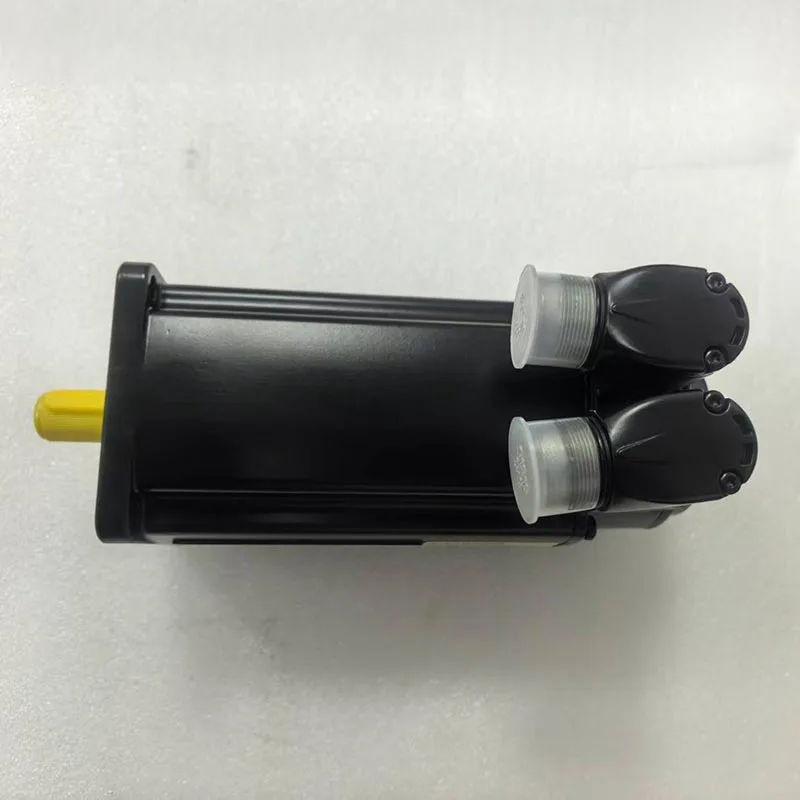
In modern machine automation, motion performance depends on more than motor power alone. Engineers also need to consider cabinet space, wiring complexity, feedback accuracy, installation requirements, torque capacity, and long-term serviceability. The Schneider ILM1001P01A0000 addresses these challenges by combining a servo motor and integrated drive architecture into one field-mounted motion component.

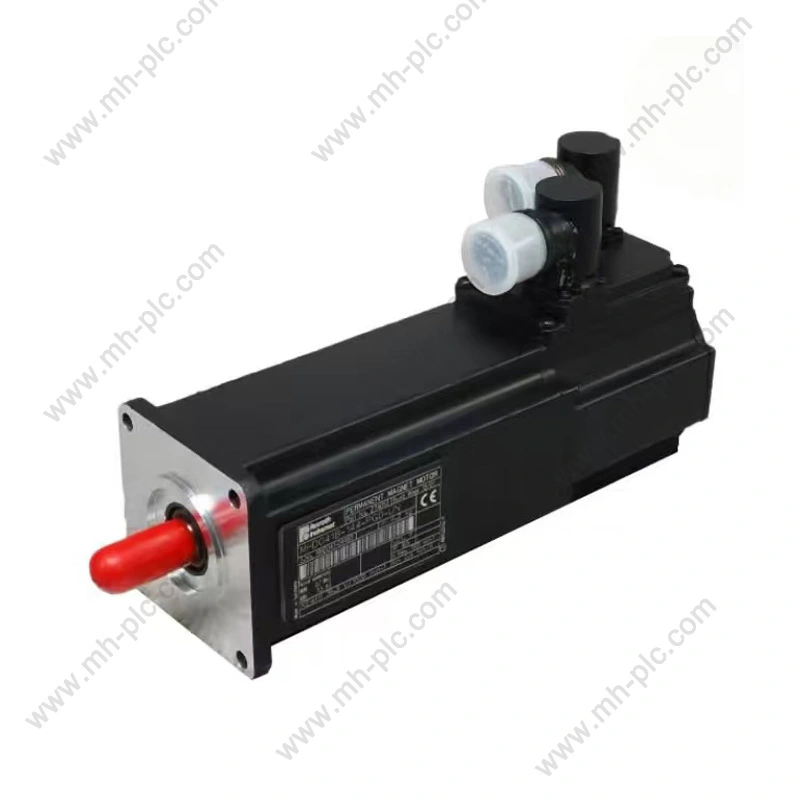
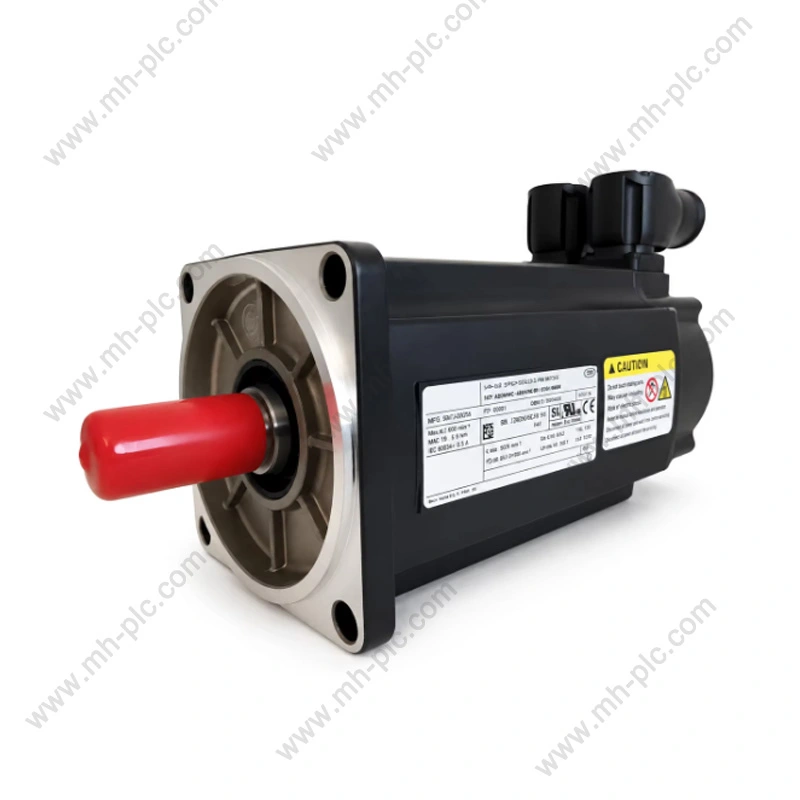
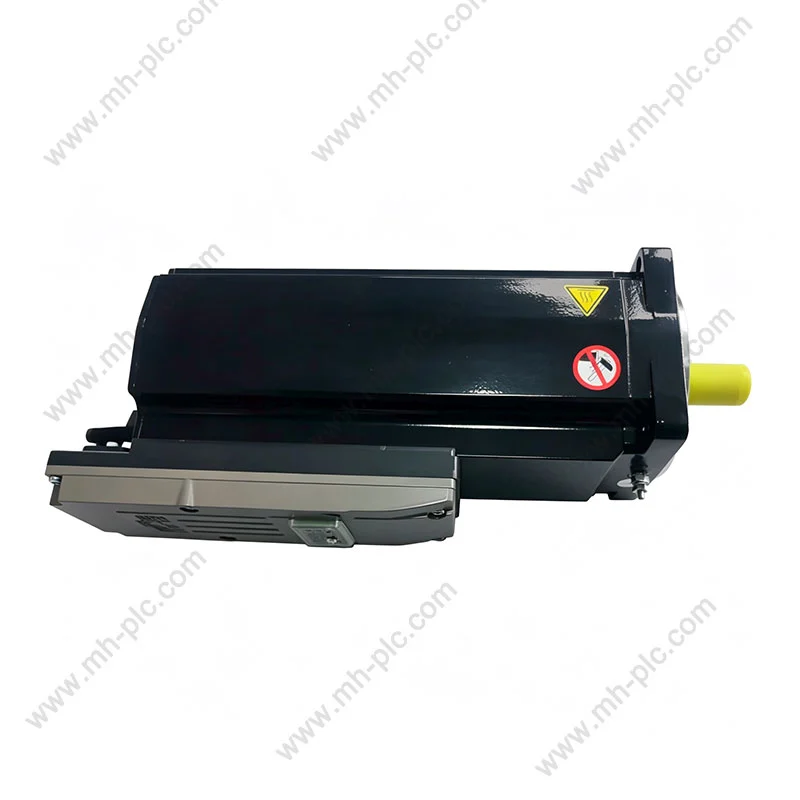
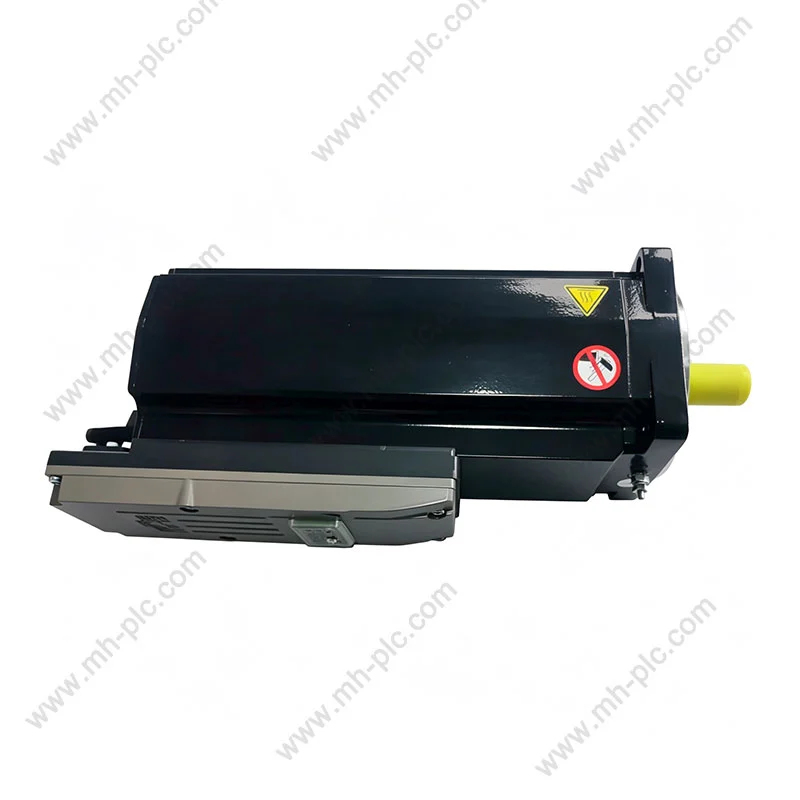
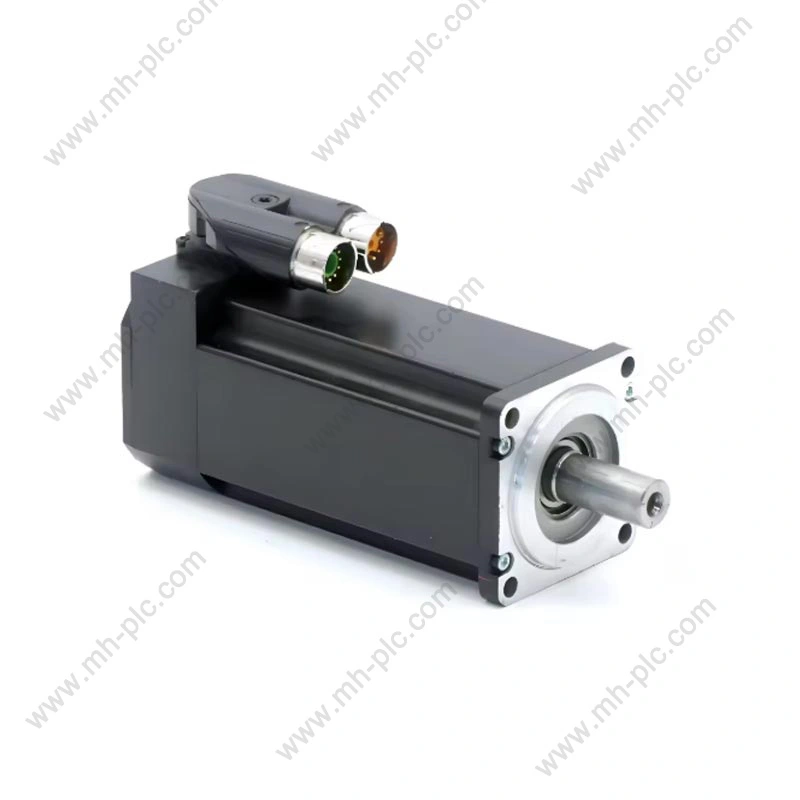
Schneider ILM1001P01A0000

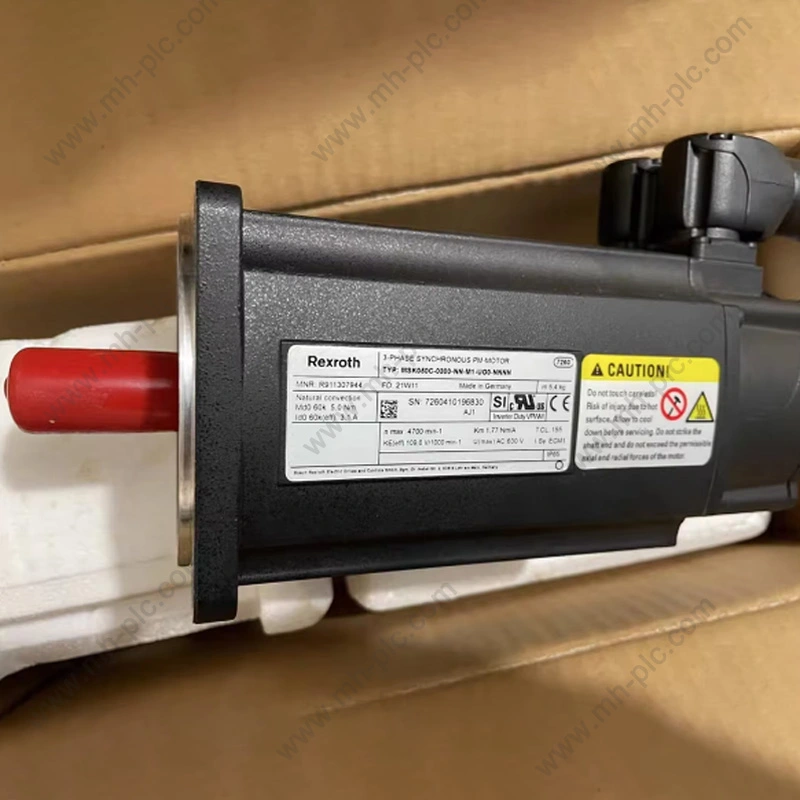
The Schneider ILM1001P01A0000 is an integrated servo motor in the Lexium 62 ILM range, designed for PacDrive 3 motion-control systems. It provides 600 W nominal output power, 1.9 N·m nominal torque, 2.5 N·m continuous stall torque, and up to 9.6 N·m peak stall torque, with a nominal speed of 3000 rpm. It uses an absolute single-turn SinCos Hiperface feedback system with 128 periods and has no holding brake. This article explains its key specifications, architecture, application value, installation considerations, and purchasing checkpoints so that automation engineers can determine whether this model fits their machine requirements.

Table of Contents

Understanding the Schneider ILM1001P01A0000

The Schneider ILM1001P01A0000 is not simply a conventional standalone servo motor. It belongs to the Lexium 62 ILM family and integrates drive electronics with the motor, allowing the motion component to be positioned closer to the machine mechanism rather than requiring all drive electronics to remain inside a central control cabinet. Schneider Electric identifies the device as an integrated drive with a 100 mm motor flange, single motor stack, smooth shaft, SinCos single-turn feedback, and no brake.

This architecture can be particularly valuable for modular machines. Instead of designing every motion axis around a traditional motor-plus-cabinet-drive arrangement, machine builders can distribute motion components closer to individual machine modules. The result can be a cleaner machine architecture and potentially simpler expansion when several independent axes are required.

Important identification point: The model number should be checked carefully before purchasing or replacing a unit. The ILM1001P01A0000 configuration specifies a smooth shaft, absolute single-turn SinCos Hiperface feedback, 128-period speed feedback resolution, and no holding brake. A visually similar ILM model may have different feedback, shaft, brake, or performance characteristics.

Key Specifications at a Glance

Correct technical identification is the first step when selecting a replacement servo component. The following specifications are based on the manufacturer's product data and supporting technical documentation.

Parameter ILM1001P01A0000 Specification Why It Matters
Product family Lexium 62 ILM / PacDrive 3 Determines system compatibility and integration environment.
Product type Integrated servo motor / integrated drive Combines motor and drive functionality in one motion unit.
Nominal output power 600 W Useful for evaluating the motor against application load requirements.
Nominal torque 1.9 N·m Indicates the rated torque level during normal operation.
Continuous stall torque 2.5 N·m Important when evaluating low-speed or stationary load conditions.
Peak stall torque 9.6 N·m Provides a reference for short-duration peak torque capability.
Nominal speed 3000 rpm Relevant to high-speed positioning and motion cycles.
Rated supply voltage 250–700 V Must be matched with the actual motion-control system and installation.
Feedback Absolute single-turn SinCos Hiperface Supports accurate position and speed feedback.
Feedback resolution 128 periods Important for motion-control configuration and feedback processing.
Holding brake Without brake Critical for vertical axes and loads that must remain mechanically held.
Motor flange 100 mm Determines mechanical mounting compatibility.
Shaft diameter 19 mm Must match the machine coupling or transmission interface.
Shaft length 40 mm Important for mechanical clearance and coupling selection.
Protection IP54 Provides a baseline for evaluating the installation environment.

Specifications should always be verified against the latest manufacturer's documentation and the exact machine configuration before installation.

How the Integrated Servo Architecture Helps

Conventional servo systems commonly separate the motor from the drive. This arrangement can work extremely well, but it may require substantial cabinet space, power cabling, feedback wiring, and additional engineering work when a machine contains many axes.

The ILM architecture takes a different approach by integrating the drive directly with the servo motor. For modular machinery, this can reduce the amount of motion hardware that must be concentrated in the main electrical cabinet.

Distributed Motion The integrated unit can be positioned closer to the machine axis, making it suitable for modular automation architectures.
Reduced Cabinet Pressure Moving drive functionality out toward the machine can help engineers use cabinet space more efficiently.
Cleaner Machine Design Integrated motor-drive construction can simplify the physical arrangement of individual motion modules.
Modular Expansion Distributed motion hardware can be advantageous when machines contain multiple independent mechanical modules.

The actual reduction in wiring, cabinet volume, and installation time depends on the complete system design. These benefits should therefore be evaluated at machine level, rather than assumed from the motor specification alone.

Common Motion-Control Problems It Can Address

Choosing a servo motor should begin with the machine's problems rather than with a catalog number. Several recurring issues make integrated servo technology attractive for modern equipment builders.

  1. Limited electrical cabinet space: Machines with many servo axes can quickly consume valuable cabinet volume. A distributed architecture can help move some motion functionality closer to the axes.
  2. Complex motor-drive wiring: Traditional systems can involve separate motor power, feedback, and control connections. A properly engineered integrated architecture can reduce the complexity of the overall connection strategy.
  3. Difficult modular machine expansion: Machines frequently need optional stations or additional motion modules. A distributed servo architecture can support more flexible mechanical layouts.
  4. Positioning inconsistency: Reliable feedback is essential for controlled motion. The ILM1001P01A0000 uses an absolute single-turn SinCos Hiperface feedback system.
  5. Replacement uncertainty: Purchasing a similar-looking motor without checking shaft, brake, feedback, power, and mounting specifications can result in compatibility problems.
Do not treat the model number as the only selection criterion. A servo motor is part of a complete motion-control system. Mechanical load, acceleration, duty cycle, supply architecture, controller compatibility, environmental conditions, cable requirements, and safety requirements should all be checked before replacement.

Performance Features That Matter in Practice

One of the most important characteristics of the Schneider ILM1001P01A0000 is the relationship between power, torque, speed, and feedback. The unit provides 600 W nominal output power and a nominal speed of 3000 rpm. Its nominal torque is 1.9 N·m, while continuous stall torque is specified at 2.5 N·m and peak stall torque at 9.6 N·m.

These figures should not be interpreted as interchangeable operating ratings. For example, peak torque capability does not mean that a machine can continuously operate at 9.6 N·m. The actual duty cycle, acceleration profile, thermal conditions, and motion controller settings determine whether a particular application is suitable.

Feedback is another important consideration. The model uses an absolute single-turn SinCos Hiperface feedback system with 128 periods. This feedback architecture is particularly relevant to applications where controlled positioning and speed feedback are central to machine performance.

Practical engineering rule: Compare the motor's complete motion profile—not just its maximum torque—with the application. Load inertia, acceleration, deceleration, continuous torque demand, peak torque demand, operating speed, and cycle frequency should all be considered.

Suitable Industrial Applications

Because the ILM1001P01A0000 is part of the PacDrive 3 ecosystem, it is particularly relevant to automated machinery that requires coordinated servo motion. The exact suitability depends on the complete controller and machine architecture.

Application Area Potential Benefit Key Check Before Use
Packaging machinery Compact distributed motion for coordinated machine axes. Cycle time, acceleration and load inertia.
Material handling Controlled positioning and speed regulation. Load mass, transmission ratio and duty cycle.
Automated production lines Useful for modular motion architectures. Controller compatibility and network architecture.
Pick-and-place equipment Servo feedback supports repeatable motion control. Acceleration, deceleration and payload requirements.
Modular machine systems Integrated drive architecture can simplify distributed axes. Mechanical and electrical integration requirements.

The model should not automatically be considered suitable for every machine in these categories. Application engineering remains essential, particularly for vertical axes, high-inertia loads, high-cycle machinery, or environments with unusual mechanical or thermal conditions.

Installation and Integration Considerations

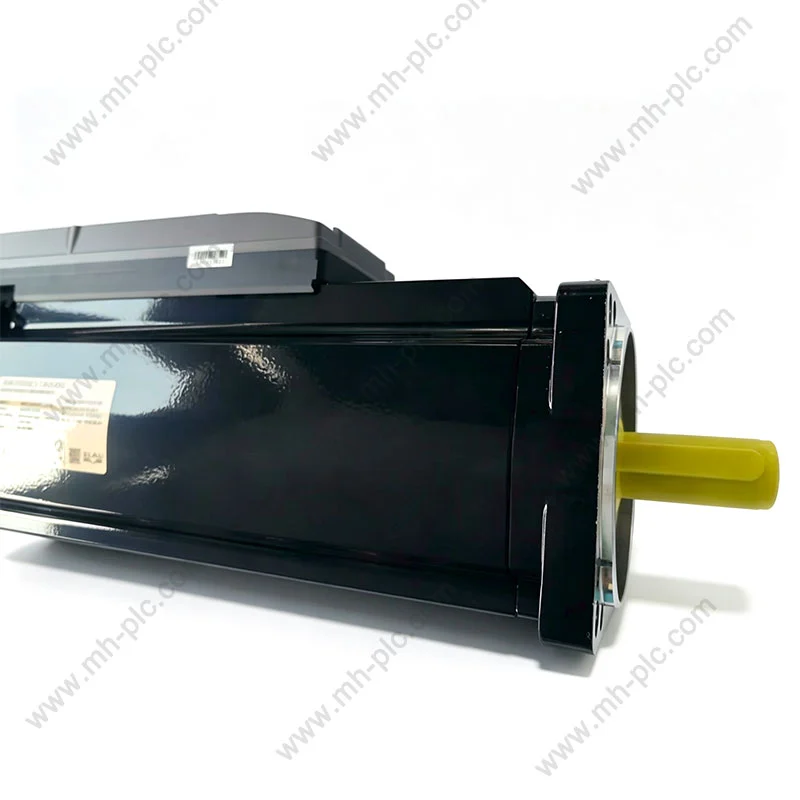
A successful installation starts with mechanical compatibility. The ILM1001P01A0000 uses a 100 mm motor flange and a 19 mm shaft diameter, with a 40 mm shaft length. The mounting arrangement includes four mounting holes.

  • Confirm the motor flange dimensions before mechanical installation.
  • Check the 19 mm shaft diameter against the coupling or transmission.
  • Confirm shaft length and available mechanical clearance.
  • Verify the mounting-hole pattern and fastener requirements.
  • Confirm that the application does not require a holding brake.
  • Verify feedback and control-system compatibility.
  • Check the rated supply requirements of the complete motion system.
  • Review environmental conditions, including temperature, contamination and moisture.
  • Use appropriate cables, connectors, grounding and protective measures.

The model is specified without a holding brake. This is especially important for vertical axes or applications in which a load must remain stationary when servo power is removed. In such cases, the machine designer must determine whether an independent mechanical holding solution or a different motor configuration is required.

Schneider's product documentation should be consulted for the exact electrical, mechanical, commissioning, and safety requirements applicable to the installation.

What to Check Before Ordering

Replacement projects often fail because the buyer confirms only the part number and physical appearance. A better purchasing process verifies the complete configuration.

Checkpoint Question to Ask Potential Risk if Ignored
Exact part number Is the required model exactly ILM1001P01A0000? Receiving a similar but incompatible variant.
Brake Does the application require a holding brake? Loss of mechanical holding capability.
Feedback Does the controller support the specified feedback arrangement? Commissioning or feedback errors.
Mechanical interface Do flange and shaft dimensions match? Installation or coupling problems.
Power Is 600 W adequate for the actual motion profile? Insufficient performance or thermal stress.
Speed Does the required operating speed fit within the motor's rating? Reduced productivity or incorrect sizing.
Torque Are continuous and peak torque demands within acceptable limits? Overload, overheating or unstable operation.
Supply chain Is the source able to verify model, condition and documentation? Counterfeit, incorrect or poorly documented equipment.

Availability can also vary by region and distribution channel. Schneider Electric's current product listing identifies this model as a non-stock product in its U.S. distribution context, so buyers should confirm current lead time and regional availability rather than assuming immediate stock.

Maintenance and Reliability Considerations

Servo systems are precision motion components, so preventive maintenance should focus on the complete mechanical and electrical system rather than the motor alone.

  1. Inspect mechanical connections: Check mounting hardware, couplings and transmission components for loosening or abnormal wear.
  2. Monitor operating behavior: Unexpected vibration, noise, temperature rise or positioning deviation can indicate developing mechanical or electrical problems.
  3. Check cabling: Inspect power and feedback connections for damage, looseness or contamination.
  4. Review application loads: A machine that has gradually increased its payload may eventually exceed the original motion design.
  5. Maintain correct environmental conditions: The specified IP54 protection should not be interpreted as permission to expose the motor to any environment without additional assessment.
  6. Use correct replacement procedures: Replacement should follow the relevant Schneider documentation and machine safety procedures.

The goal of maintenance is not simply to keep the motor running. It is to preserve positioning accuracy, predictable cycle performance, mechanical safety and overall equipment availability.
Frequently Asked Questions

Is the Schneider ILM1001P01A0000 a servo motor or a servo drive?

It is an integrated servo motor/drive solution. The ILM concept combines the motor and drive functions into a field-oriented motion component rather than treating the motor as a conventional standalone servo motor.

What is the rated power of the ILM1001P01A0000?

The nominal output power is 600 W. This figure should be considered together with torque, speed, duty cycle, acceleration and load inertia when sizing the motor.

What is the maximum torque listed for this model?

The specified peak stall torque is 9.6 N·m. It should not be interpreted as a continuous operating torque. The continuous stall torque is 2.5 N·m, while nominal torque is 1.9 N·m.

Does the ILM1001P01A0000 have a holding brake?

No. This particular configuration is specified without a holding brake. Applications that require load holding, especially certain vertical-axis machines, should be reviewed carefully before selection.

What feedback does the ILM1001P01A0000 use?

The model uses absolute single-turn SinCos Hiperface feedback with a speed feedback resolution of 128 periods.

What is the shaft diameter?

The shaft diameter is 19 mm and the specified shaft length is 40 mm. These dimensions should be checked against the machine coupling and mechanical interface before ordering.

Which control platform is associated with this servo solution?

The ILM1001P01A0000 belongs to the PacDrive 3 product range and Lexium 62 ILM family. System-level compatibility should still be confirmed for the specific machine configuration.

What should buyers verify before purchasing a replacement?

At minimum, verify the exact part number, motor configuration, brake status, feedback type, shaft dimensions, flange dimensions, rated power, torque requirements, speed, system compatibility, product condition, documentation and expected delivery time.

Need the Right Schneider ILM1001P01A0000 for Your Project?

Selecting an integrated servo component is easier when technical specifications and application requirements are reviewed together. Dongguan Nancheng Mao Hui Machinery Equipment Trading Co., Ltd. can support industrial buyers who need assistance with product identification, sourcing and replacement requirements for automation equipment.

If you are replacing an existing unit, preparing a new machine, or checking whether the Schneider ILM1001P01A0000 matches your system, provide the exact part number and available machine information. Our team can help review the required configuration, specifications and supply details before you place an order.

Contact us today to discuss your Schneider ILM1001P01A0000 sourcing requirements and find a suitable solution for your industrial automation project.


Related News
Leave me a message
X
We use cookies to offer you a better browsing experience, analyze site traffic and personalize content. By using this site, you agree to our use of cookies. Privacy Policy
RejectAccept