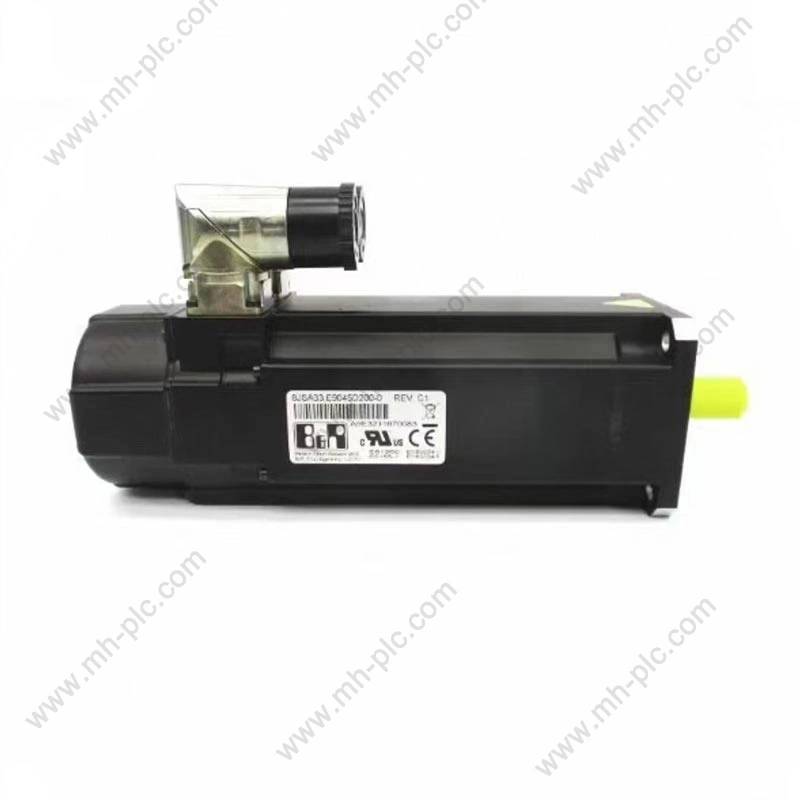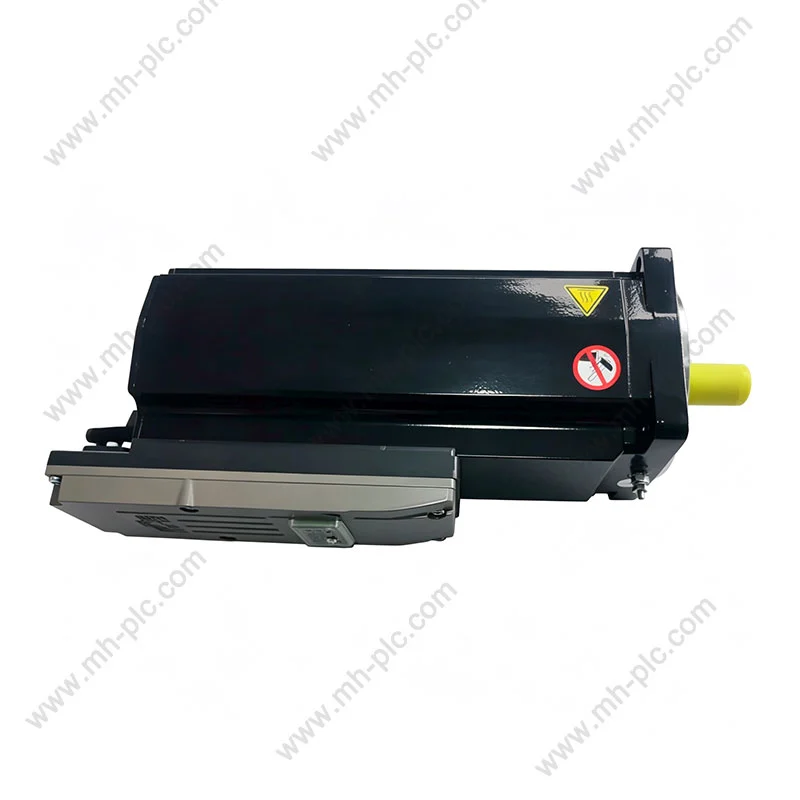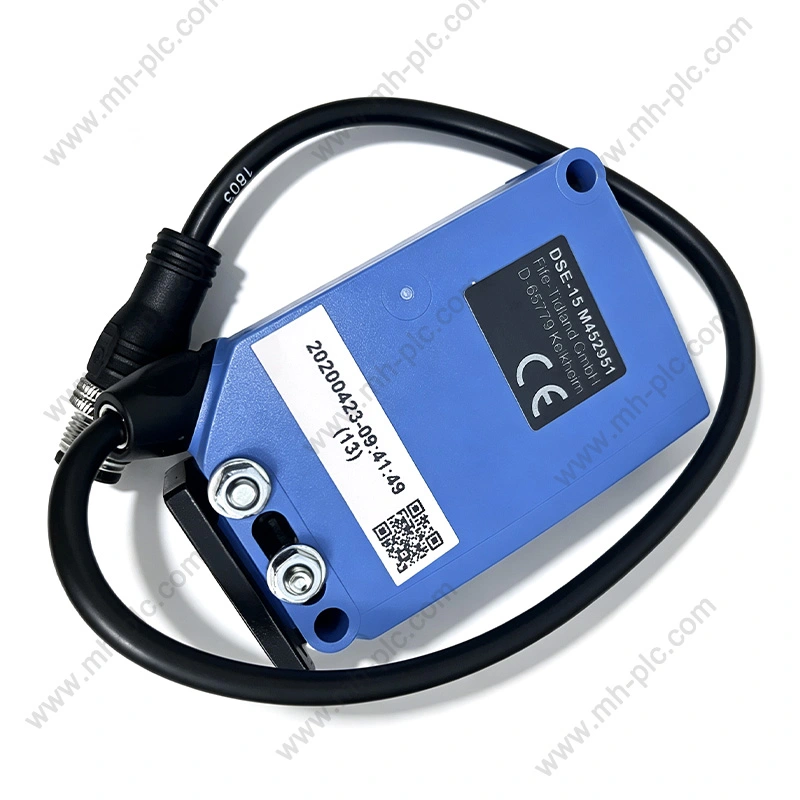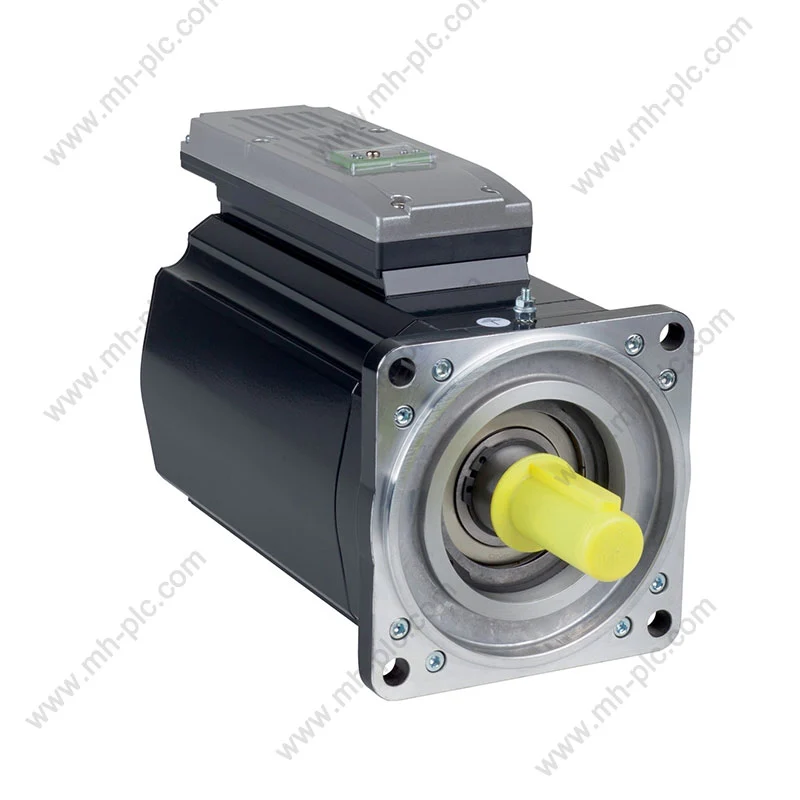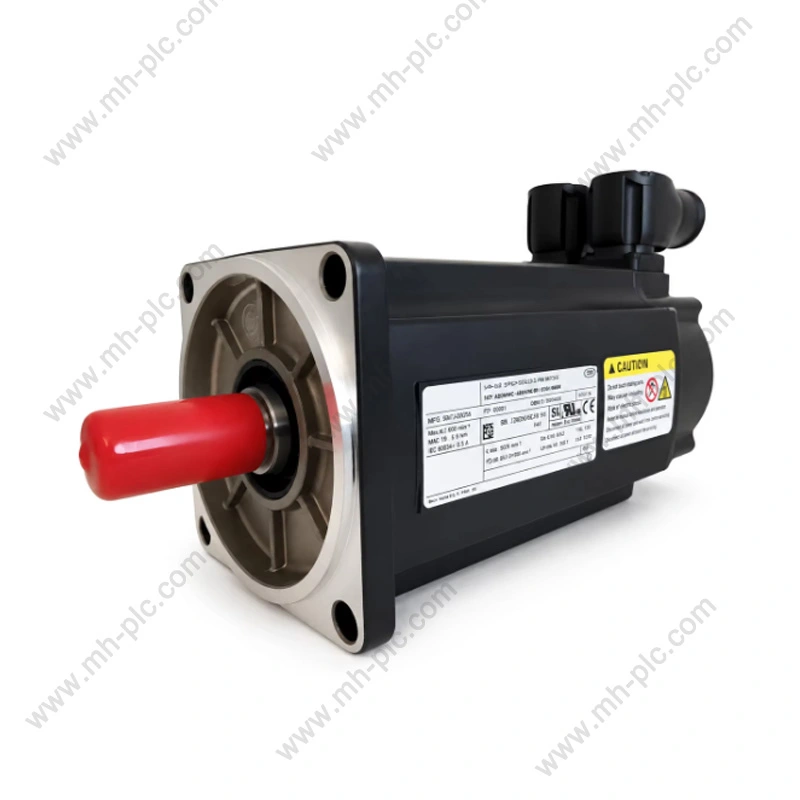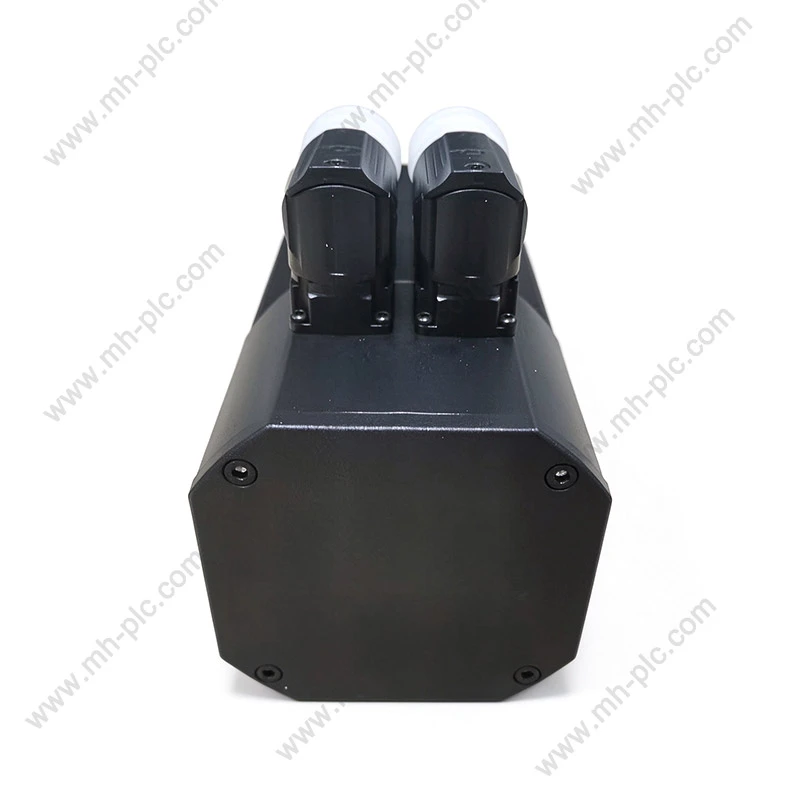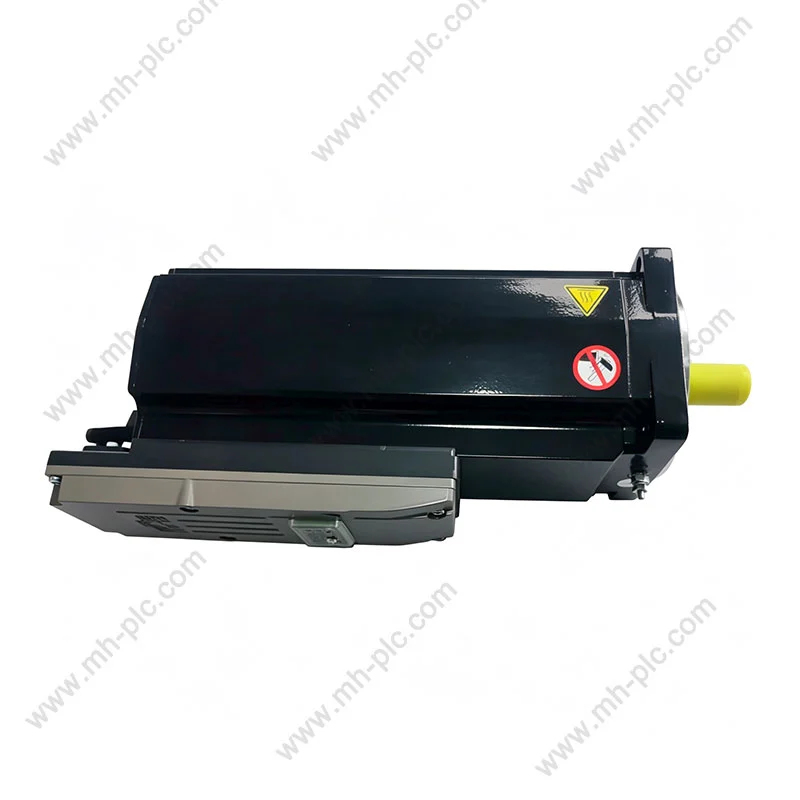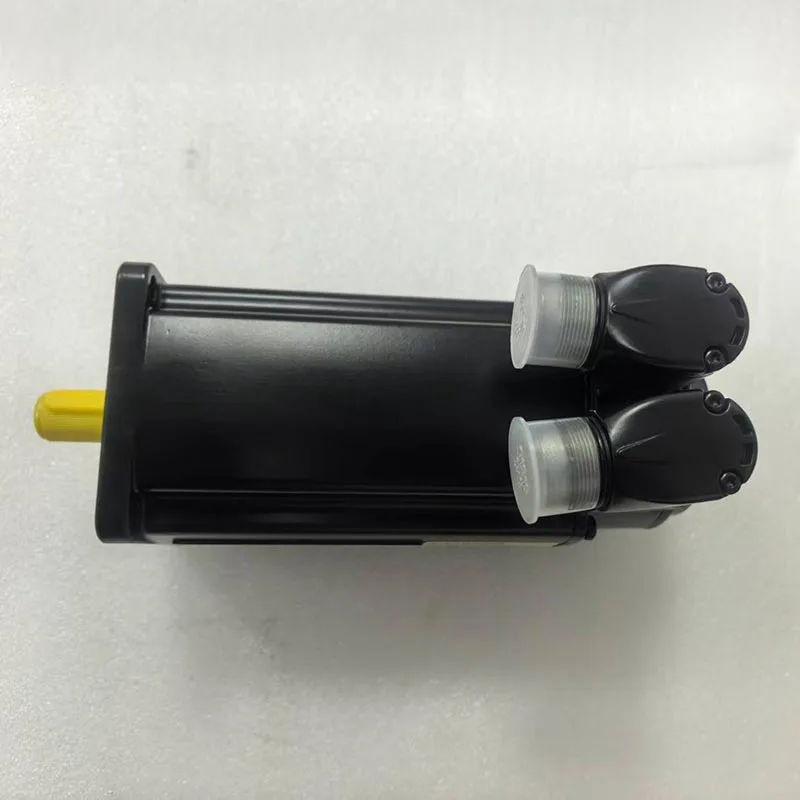

Schneider Servo systems are widely considered when a machine requires controlled positioning, coordinated motion, repeatable speed regulation, and dependable communication between motion components. For buyers, system integrators, maintenance teams, and automation engineers, selecting the right servo equipment involves more than identifying a drive or motor by name. The application, load profile, control architecture, feedback method, electrical requirements, communication network, and compatibility with existing equipment all influence the suitability of a configuration.
This guide explains the main considerations involved in sourcing servo drives, servo motors, accessories, and related motion-control components. It focuses on practical selection, compatibility, technical documentation, replacement requirements, system integration, and supplier evaluation rather than manufacturing processes or factory production.
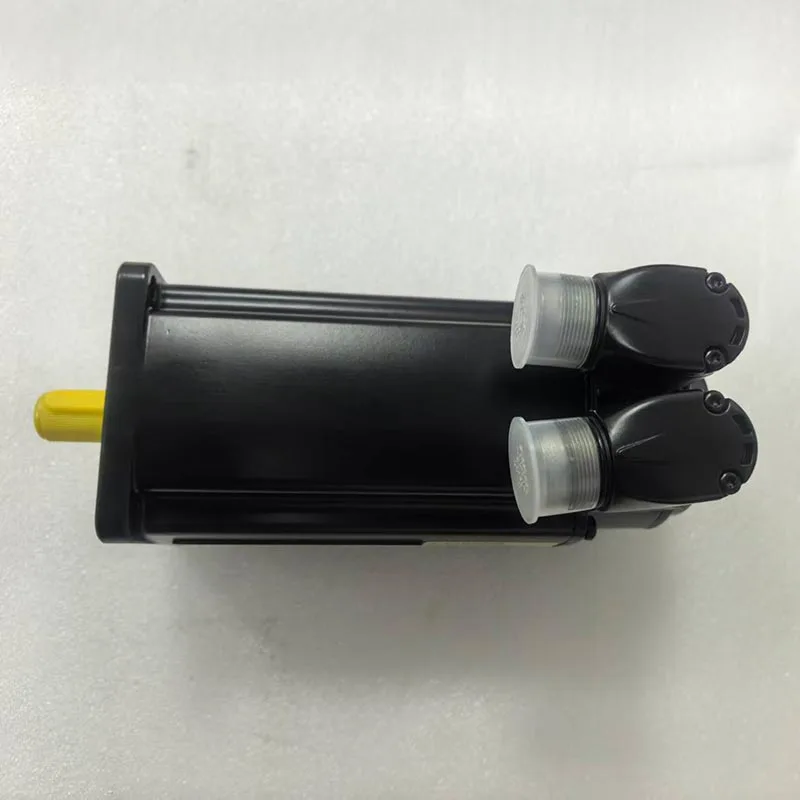
Understanding the Role of Servo Systems
In industrial automation, servo equipment is used when ordinary motor speed control is not enough to satisfy the required level of motion control. A servo system normally combines a servo motor, servo drive, feedback device, control system, power connections, and communication interfaces. Together, these components allow a machine controller to command motion while the drive continuously manages the motor according to the required operating conditions.
The key difference is the closed-loop nature of servo control. Instead of simply supplying power to a motor and expecting a predetermined operating speed, the system uses feedback to monitor the actual motor condition. The controller and drive can then respond to changes in position, velocity, torque, or load.
This approach is particularly useful when a machine requires accurate positioning or synchronized movement. Packaging equipment, robotic mechanisms, material handling systems, printing machinery, electronic assembly equipment, machine tools, and other automated production systems can all contain servo-controlled axes.
Why closed-loop motion control matters
Motion accuracy is not determined by the motor alone. The mechanical structure, load, transmission mechanism, encoder, drive settings, controller, and operating profile all influence the final result. A technically powerful motor can still produce unsatisfactory machine behavior if it is incorrectly sized or poorly matched with the rest of the system.
For this reason, a servo system should be viewed as a coordinated group of components rather than as an isolated product. When sourcing replacement equipment or planning a new motion axis, buyers should consider the complete electrical and mechanical environment.
- Position control: Useful when the machine must move an axis to defined positions repeatedly.
- Speed control: Suitable when maintaining a controlled rotational speed is a primary requirement.
- Torque control: Relevant when the application depends strongly on controlled motor torque.
- Synchronized motion: Important for machines where several axes must operate according to a coordinated motion profile.
- Feedback-based correction: Allows the control system to compare commanded and actual motion conditions.
The practical value of servo technology therefore comes from the interaction between electrical control and mechanical movement. Buyers should avoid selecting equipment solely by comparing motor power or drive current. Those specifications are important, but they represent only part of the selection process.
What Should Be Checked Before Selection?
A reliable sourcing process begins with the application rather than the product catalog. Before identifying a suitable servo drive or motor, the required motion should be described in measurable terms. Even a simple description of the machine can provide valuable information when combined with electrical and mechanical data.
Start with the machine axis
Each servo axis should be considered separately. One machine may contain several axes with completely different requirements. A high-speed positioning axis, for example, may require different characteristics from a heavy-load lifting axis even when both machines use the same control platform.
The first questions should include the following:
- What does the axis move?
- What is the approximate load or reflected inertia?
- What is the required travel distance or rotation range?
- What maximum speed is required?
- How quickly must the axis accelerate and decelerate?
- How frequently does the machine repeat the motion?
- Is continuous torque or peak torque more important?
- What feedback device is currently installed or required?
Electrical conditions should be verified early
Electrical compatibility is one of the most important checks when selecting industrial motion equipment. A drive must be appropriate for the available supply conditions and the motor must be compatible with the selected drive. Rated voltage, phase configuration, frequency, current, control power, and protective requirements should all be considered.
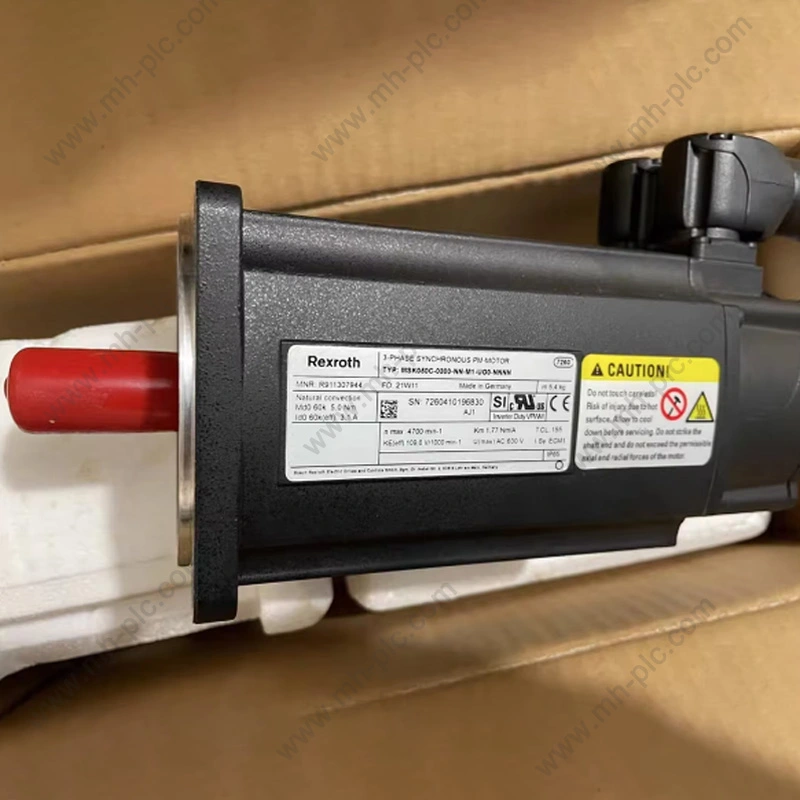
For replacement applications, the original nameplate is often the fastest source of useful information. Model numbers, rated voltage, rated current, motor power, encoder information, and other identifiers can help establish the original configuration.
Environmental conditions are also relevant
Industrial servo equipment can operate in environments that vary considerably. Temperature, humidity, dust, vibration, installation orientation, cabinet conditions, and cooling arrangements may influence the suitability of a component.
For example, a servo drive installed inside a properly ventilated electrical cabinet has different thermal conditions from equipment mounted in a compact enclosure near a heat-generating process. Similarly, an axis exposed to vibration may require closer attention to mechanical installation and cable routing.
Servo Drive and Motor Matching
One of the most important aspects of servo sourcing is matching the drive and motor correctly. The two components are designed to operate as a controlled pair, and the correct combination depends on electrical ratings, motor characteristics, feedback, communication, and application requirements.
In many industrial systems, buyers already know one side of the combination. A maintenance team may have a failed motor but a functioning drive, while another project may require a replacement drive for an existing motor. In either situation, the existing model information should be reviewed carefully before selecting a replacement.
Key matching parameters
| Parameter | Why It Matters | What to Verify |
|---|---|---|
| Rated power | Provides a basic indication of motor and drive capacity. | Motor rating and corresponding drive capability. |
| Rated voltage | Determines electrical compatibility with the system. | Supply voltage and motor/drive voltage class. |
| Current | Important for continuous and peak operating conditions. | Rated current, peak current, and application demand. |
| Feedback | Allows the drive to monitor motor position and motion. | Encoder or feedback type and connector configuration. |
| Communication | Determines how the drive exchanges information with the controller. | Supported industrial network and control interface. |
| Mechanical interface | Determines whether the motor can physically fit the machine. | Frame, shaft, flange, mounting, and connector details. |
Why model numbers need careful interpretation
Industrial automation model numbers can contain information about power ratings, frame sizes, feedback configurations, voltage classes, protection features, or other variations. A single character can sometimes distinguish between two products that look similar but are not interchangeable.
For this reason, buyers should provide the complete model number whenever possible. A shortened model description may be enough for a general inquiry, but it may not be enough for accurate technical verification.
When a supplier receives the complete model number, it becomes easier to compare the requested component with available product information and identify whether additional details are needed. This is particularly important when sourcing discontinued, older, or application-specific equipment.
Accessories should not be treated as an afterthought
A servo motor may require dedicated cables, connectors, feedback connections, braking components, mounting accessories, or other compatible items depending on the system. Replacing the motor without checking these supporting components can create installation difficulties.
The same principle applies to servo drives. A drive may be technically suitable in terms of capacity but still require particular communication or connection accessories to work correctly within the existing cabinet.
Application Requirements and Motion Profiles
Servo selection becomes much more accurate when the actual motion profile is understood. A motor that performs well in one machine may not be the appropriate choice for another machine with the same nominal load but different acceleration, deceleration, duty cycle, or positioning requirements.
Speed is only one part of the equation
Maximum speed is easy to identify, but it should not be considered independently. A machine may operate at a moderate average speed while requiring very fast acceleration and frequent direction changes. Such a profile can create demanding peak torque requirements.
Conversely, another machine may operate continuously at a relatively steady speed and place greater emphasis on thermal performance and continuous torque.
When discussing an application with a supplier, it is therefore useful to describe the complete motion sequence rather than simply stating the desired RPM.
Acceleration and deceleration
Acceleration determines how quickly the system must bring the load from one speed to another. Deceleration determines how quickly the system must remove kinetic energy. Both can influence torque requirements and drive behavior.
Frequent acceleration and deceleration can also influence regenerative conditions. During deceleration, energy can return through the motor and drive system. The actual handling method depends on the drive architecture and application design.
Load inertia and mechanical transmission
Load inertia is particularly important for positioning applications. The motor may not directly drive the load. Gearboxes, belts, screws, couplings, pulleys, and other transmission elements can change the effective inertia seen by the motor.
A correct evaluation therefore considers the mechanical transmission rather than simply estimating the weight of the moving object.
- Direct-drive movement: The motor is closely coupled to the load, making mechanical characteristics directly relevant to motor selection.
- Ball-screw systems: Rotary motor movement is converted into linear movement, requiring consideration of screw pitch and mechanical efficiency.
- Belt-driven axes: Pulley dimensions, belt tension, moving mass, and acceleration affect the required torque.
- Gear-driven mechanisms: Gear ratio influences reflected inertia, speed, and available torque at the load.
Positioning accuracy versus repeatability
Accuracy and repeatability are related but different concepts. Accuracy concerns how closely the actual position corresponds to the commanded position. Repeatability concerns how consistently the system returns to the same position.
Mechanical backlash, compliance, thermal expansion, encoder resolution, tuning, vibration, and machine structure can all affect the final positioning result. Selecting a servo motor with a higher specification does not automatically eliminate mechanical limitations elsewhere in the system.
Communication and Control Architecture
Modern automation systems rarely operate as isolated motor-and-drive combinations. Servo drives usually communicate with a PLC, motion controller, industrial PC, robot controller, or another automation platform.
The communication architecture should therefore be reviewed before choosing a component. A drive that cannot communicate correctly with the existing controller may require additional changes to the automation system.
Common control considerations
- Controller compatibility: Confirm that the drive can operate within the intended control architecture.
- Network compatibility: Check the required industrial communication interface and supported configuration.
- Command method: Determine whether the application uses network commands, pulse-based control, analog references, or another method.
- Feedback integration: Verify how motor feedback is handled by the drive and control system.
- Parameter management: Confirm how configuration data will be transferred, stored, and restored during commissioning or replacement.
Why communication matters during replacement
A replacement drive may have similar electrical characteristics to the original unit but still require parameter changes. Network addresses, communication settings, motor parameters, control modes, acceleration values, limits, and safety-related settings can affect machine operation.
This does not mean that every replacement requires a complete system redesign. In many cases, the existing application information can be used to guide configuration. The important point is to avoid assuming that physical compatibility automatically means control compatibility.
Integration should be considered as a complete chain
A useful way to understand motion integration is to view the system as a chain: controller, communication interface, servo drive, motor, feedback, mechanical transmission, and load. A problem at any point in this chain can appear as a motion problem at the machine level.
For example, inconsistent positioning could originate from incorrect tuning, mechanical backlash, feedback problems, communication settings, or an unsuitable motion profile. Troubleshooting becomes easier when each layer is evaluated separately.
Replacement and Existing-System Compatibility
Replacement sourcing is a common requirement in industrial automation. Machines may remain in service for many years, and maintenance teams may need to identify a suitable replacement for a drive, motor, cable, or accessory that is no longer readily available in their local market.
In such cases, the original model number is usually the most useful starting point. A photograph of the nameplate can also help confirm the identification when the model number is difficult to read.
Information that helps with replacement verification
- Complete original model number.
- Motor nameplate information.
- Drive nameplate information.
- Controller or PLC model.
- Communication interface.
- Existing feedback type.
- Connector and cable information.
- Machine voltage and phase configuration.
- Application description and axis function.
- Photographs showing labels and connections when available.
Original replacement versus functional substitution
There is an important distinction between sourcing an original replacement and selecting an alternative product. An original replacement is generally evaluated against the existing configuration, while a substitution may require additional engineering review.
For maintenance teams, the priority is often to preserve existing machine behavior and minimize unnecessary changes. In that situation, accurate identification of the original component becomes particularly valuable.
For new machine projects, the process can be different because the system architecture can be designed around the selected equipment from the beginning.
Condition and configuration should be clarified
Industrial automation components can be supplied in different conditions depending on availability and sourcing channels. Buyers should clearly define whether they require a new component, a replacement unit, or another specific condition before an order is arranged.
Configuration also matters. A product with the same family name may have different ratings or hardware versions. Confirming the complete model is therefore more reliable than relying on a general product-family description.
How to Evaluate a Servo Supplier
For industrial automation buyers, supplier evaluation should focus on product identification, communication quality, technical accuracy, sourcing capability, and order handling. A supplier does not need to be the manufacturer of the equipment to provide useful value during procurement.
In fact, a specialized supplier can be particularly useful when customers need to source multiple automation brands or identify specific models from a large range of industrial components.
Product identification capability
The first question is whether the supplier understands the requested model and can distinguish between related variants. Accurate identification is essential for servo equipment because small model differences can affect electrical compatibility or communication features.
Technical communication
A capable supplier should be able to work with practical information such as model numbers, nameplate photographs, application descriptions, and technical requirements. The goal is not to replace the engineering function of the customer but to reduce unnecessary ambiguity during sourcing.
Availability and sourcing capability
Industrial automation components can have different availability depending on the model, production status, regional supply conditions, and current demand. A supplier with broader sourcing experience can help buyers identify the requested component and confirm its availability before order processing.
Documentation and traceability
Documentation is important for industrial purchasing. Buyers may need model information, technical specifications, packing details, shipping information, or other order-related documentation for their internal records.
Why supplier specialization matters
Automation procurement often involves more than one product category. A machine may require PLCs, servo drives, motors, inverters, sensors, industrial networking components, and related accessories. A supplier familiar with industrial automation can understand how these components fit into the broader procurement requirement.
For buyers, this can make communication more efficient, particularly when an inquiry includes several model numbers or when the original equipment documentation is incomplete.
Technical Information Buyers Should Prepare
A well-prepared inquiry can significantly improve the accuracy of product verification. The more specific the technical information, the easier it is to determine whether a requested component matches the intended application.
The minimum information for a basic inquiry
For many standard sourcing requests, the complete model number is the most important item. If the model number is unavailable, the product family, motor rating, voltage, current, application, and photographs may provide a useful starting point.
- Brand and complete model: The most direct identification information.
- Quantity: Helps define the actual sourcing requirement.
- Application: Explains how the component will be used.
- Electrical requirements: Helps confirm voltage and current compatibility.
- Existing equipment: Useful for replacement or retrofit projects.
- Required accessories: Important when the system depends on specific cables or connectors.
Information for more complex applications
More demanding motion applications may require additional information. This can include load inertia, acceleration time, maximum speed, duty cycle, travel distance, mechanical transmission, operating environment, and control architecture.
Providing this information does not necessarily mean that buyers need to prepare a complete engineering report. Even a concise description can help distinguish a basic replacement request from a new motion-control application.
Use photographs intelligently
Photographs can be especially useful when dealing with older automation components. A clear image of the nameplate can help identify the exact model. Additional images of connectors, labels, or installation positions may help clarify the configuration.
Images should ideally be sharp enough to read model numbers and electrical ratings. A photograph of the entire cabinet may provide useful context, but a close-up of the product label is usually more valuable for identification.
Common Selection Mistakes to Avoid
Servo selection problems often result from incomplete information rather than a lack of available products. Several common mistakes can be avoided by treating the servo system as a complete technical configuration.
Choosing only by motor power
Motor power is useful for preliminary comparison, but it cannot describe the complete motion requirement. Two motors with similar power ratings can behave differently in terms of speed range, torque characteristics, feedback, mechanical dimensions, and system compatibility.
Ignoring the feedback system
Feedback is central to closed-loop motion control. If the motor and drive use incompatible feedback arrangements, the system may not operate as expected. Encoder type, resolution, connector, and communication method should therefore be checked together.
Assuming similar model numbers are interchangeable
Industrial product families often contain multiple variations. A similar-looking model may have a different voltage class, feedback option, communication interface, or mechanical configuration.
Forgetting cables and connectors
Replacing the main component while overlooking cables or connectors can delay installation. When preparing a replacement inquiry, check the entire connection arrangement rather than focusing only on the drive or motor.
Providing incomplete model numbers
Incomplete model numbers create unnecessary uncertainty. If the full model number is visible on the product label, it should be copied exactly. If some characters cannot be identified, a clear photograph is usually better than guessing.
Separating technical selection from application conditions
A component can satisfy a catalog specification but still be unsuitable for the actual machine. Application conditions such as acceleration, load inertia, environmental temperature, and operating cycle should be considered before final selection.
| Common Approach | Potential Problem | Better Practice |
|---|---|---|
| Select by power only | Other compatibility requirements may be overlooked. | Check power together with current, speed, feedback, and application. |
| Use a shortened model number | A different variant may be identified. | Provide the complete model and suffix. |
| Replace the drive alone | Motor or communication compatibility may be missed. | Review the complete drive-motor-control configuration. |
| Ignore accessories | Installation may require additional components. | Check cables, connectors, feedback, and mounting requirements. |
Frequently Asked Questions
What is a servo system used for?
A servo system is used for controlled machine motion where position, speed, torque, or synchronization needs to be managed accurately. Typical applications include automated positioning, packaging, material handling, machine tools, robotic mechanisms, printing equipment, and other motion-controlled machinery.
What information is needed to identify a servo drive?
The complete model number is normally the most useful information. Voltage, current, motor compatibility, communication interface, feedback arrangement, and photographs of the nameplate can provide additional confirmation, especially for replacement applications.
Can a servo motor be selected without knowing the application?
A preliminary product search may be possible, but a reliable selection requires at least basic information about speed, load, motion profile, mechanical connection, and control requirements. Application information helps determine whether the component is suitable rather than merely similar in specification.
Does the servo drive need to match the motor brand and model?
Compatibility depends on the specific drive and motor architecture. For a replacement system, the original drive-motor combination should be checked carefully. The motor's electrical characteristics and feedback arrangement are especially important.
Why is the complete model number important?
Industrial automation product families can contain multiple variants that differ in voltage, current, feedback, communication, frame size, or other characteristics. The complete model number helps distinguish the requested configuration from related products.
What should be checked when replacing an existing servo drive?
Check the original drive model, motor model, supply conditions, communication method, feedback arrangement, parameter settings, cable configuration, and machine application. The physical dimensions should also be reviewed when cabinet space is limited.
Are servo motors suitable for continuous operation?
Servo motors can be used in continuous-duty applications when the selected motor and drive are appropriate for the required operating conditions. Continuous torque, thermal conditions, speed, load profile, and duty cycle should all be considered.
Why should cables be checked together with a servo motor?
Servo cables can carry motor power and feedback signals and may use specific connectors or configurations. A mechanically compatible motor does not necessarily mean that the existing cable arrangement is suitable, so cable compatibility should be verified during replacement planning.
Can an industrial automation supplier help identify an unknown servo model?
Yes. A supplier with experience in industrial automation sourcing can often start with the information available on the equipment label, photographs, and application details. The more complete the information, the easier it is to verify the requested component accurately.
What is the difference between selecting equipment for a new machine and replacing an existing unit?
New-machine selection normally begins with the motion requirements and system architecture. Replacement sourcing begins with the existing equipment and focuses strongly on compatibility, identification, dimensions, electrical characteristics, communication, and configuration.
Practical Selection Checklist
Choosing servo equipment is most reliable when the process starts with the machine requirement and ends with complete model verification. Product specifications provide the technical foundation, but the real suitability of a component depends on how it interacts with the controller, motor, feedback, mechanical system, and operating environment.
For buyers working with established automation equipment, the complete original model number remains one of the most valuable pieces of information. For new applications, a clear description of the load, motion profile, speed, acceleration, control method, and installation environment provides a stronger basis for product selection.
When sourcing Schneider Servo equipment, buyers should therefore look beyond a simple product-family match. The more complete the technical picture, the easier it becomes to distinguish the correct component from similar variants and to avoid compatibility issues during installation.
- Confirm the complete product model and suffix.
- Verify motor and drive compatibility.
- Check voltage, current, power, and speed requirements.
- Confirm the feedback and encoder arrangement.
- Review the communication interface and controller compatibility.
- Consider acceleration, deceleration, duty cycle, and load inertia.
- Check mechanical dimensions and mounting requirements.
- Review cables, connectors, and related accessories.
- Consider environmental and cabinet conditions.
- Provide clear product-label photographs when model information is incomplete.
- Confirm product condition and configuration requirements before order processing.
For international industrial automation procurement, a supplier should also be able to communicate clearly about model identification, technical specifications, product availability, packaging, and shipping arrangements. This is particularly useful when customers are sourcing specialized automation components from overseas and need accurate information before arranging their order.
Mao Hui provides sourcing support for industrial automation components, with a focus on helping customers identify and procure specific automation products according to model and application requirements. For inquiries involving servo drives, servo motors, replacement components, or related automation equipment, complete model information and application details can make the sourcing process more precise.
Need Help With Your Automation Component Requirement?
If you already have a complete model number, nameplate information, or a specific replacement requirement, provide the available technical details for product identification and sourcing coordination.
Contact Us for Product Sourcing